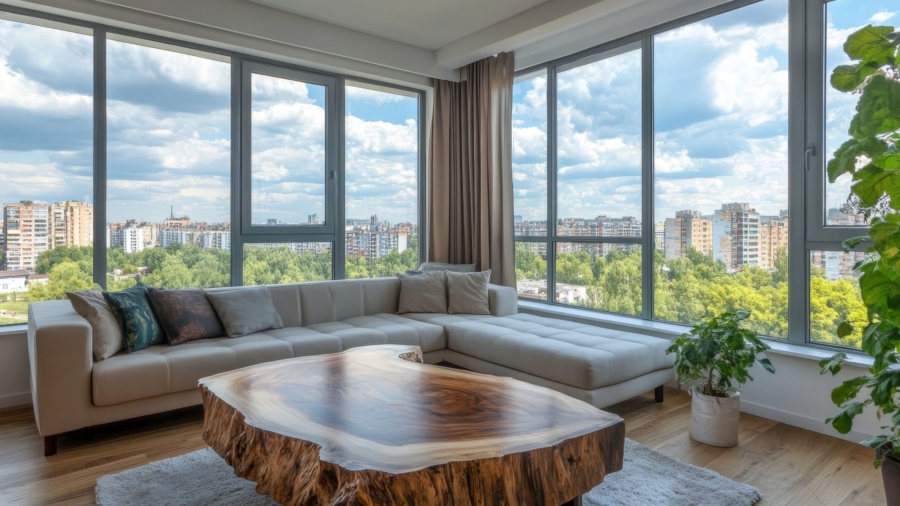
Smart Savings: Affordable Vinyl Windows for Apartment Upgrades

Replacing windows in an apartment building is about more than improving appearances. The right window solutions can help property owners manage renovation costs, refresh residential spaces, improve everyday comfort, and create a consistent look across multiple units.

Across the United States, vinyl replacement windows are a popular option for multifamily housing projects because they offer a practical balance of affordability, durability, and relatively low maintenance. Whether you’re updating an older apartment complex, renovating rental properties, or planning improvements for a condominium community, selecting suitable windows and patio doors can make a meaningful difference.

With careful planning, the right materials, and an installation approach suited to the existing building, a window replacement project can deliver lasting value without requiring an unnecessarily extensive renovation.

Why Vinyl Windows Make Sense for Multifamily Properties

Apartment buildings often contain dozens or even hundreds of windows, making product selection an important part of the overall renovation budget. Property owners need solutions that meet practical requirements while maintaining a consistent appearance throughout the property.

Vinyl windows offer several advantages worth considering:

  • Budget-conscious upgrades: Vinyl can provide an economical alternative to certain other frame materials, depending on the product specifications and project requirements.
  • Low-maintenance performance: Vinyl frames generally do not require routine painting, making them convenient for busy property managers.
  • Everyday durability: Quality vinyl windows are designed to withstand normal residential use and a range of weather conditions.
  • Design flexibility: Available styles, finishes, and configurations make it possible to coordinate windows with different architectural designs.
  • Energy performance options: Depending on the glazing, frame construction, and installation quality, replacement windows may help reduce unwanted heat transfer and improve indoor comfort.

The most suitable option depends on the building’s age, local climate, existing openings, and long-term maintenance goals. Comparing complete project costs rather than product prices alone can help property owners make better-informed decisions.

Planning a Successful Apartment Window Replacement Project

Replacing windows across a multifamily property requires coordination, accurate measurements, and a clear understanding of the building’s needs. A well-organized project begins long before the first old window is removed.

1. Assess the Existing Windows and Doors

Start by inspecting the current windows, frames, seals, and patio doors. Look for visible deterioration, drafts, damaged hardware, difficult operation, and signs of moisture intrusion.

This assessment helps determine whether the project requires full-frame replacement, a retrofit installation, or another approach. The existing construction and condition of each opening will influence the available options.

2. Establish a Realistic Budget

A multifamily renovation budget should account for more than the windows themselves. Measurements, product selection, delivery, labor, access requirements, disposal, finishing work, and project management can all affect the final cost.

Obtaining detailed estimates and comparing products with similar specifications can help owners evaluate their options more accurately. Planning for unexpected conditions is also important, particularly when renovating older buildings.

3. Choose Suitable Window Styles

Different window designs offer different benefits. Horizontal sliding windows are convenient in many apartment layouts, while single-hung, casement, and awning styles may suit other architectural requirements.

For properties with balconies or patios, sliding glass doors can provide access to outdoor areas while allowing natural light into living spaces.

The final selection should reflect the building’s design, ventilation needs, safety requirements, accessibility considerations, and applicable local building codes.

4. Coordinate Installation Across Multiple Units

Large-scale projects benefit from a clearly defined installation schedule. Property managers may need to coordinate resident notifications, access arrangements, delivery schedules, and work hours to reduce disruption.

A qualified installation team can help organize measurements, product delivery, removal of existing units, installation, sealing, and final inspections. Consistent procedures also help maintain quality across multiple apartments.

Retrofit Installation: An Option Worth Exploring

When existing window frames and surrounding structures are in suitable condition, retrofit installation may offer a practical alternative to removing and rebuilding the entire window opening.

This approach generally involves fitting a replacement window into an existing frame or prepared opening, depending on the system and building conditions. Because it may reduce the amount of demolition and finishing work required, retrofit installation can sometimes lower labor costs and shorten project timelines.

However, it is not appropriate for every property. Existing frame deterioration, water damage, structural conditions, drainage details, and local requirements must be evaluated before choosing an installation method.

In some cases, a full-frame replacement is the better long-term solution because it allows damaged components to be addressed and provides an opportunity to inspect the surrounding structure.

The best approach is determined by the condition of the building, the selected window system, and the performance requirements of the project.

Selecting Vinyl Windows for Apartments

Not all vinyl windows offer the same features or performance. When comparing products for a multifamily renovation, property owners should look beyond the initial price and consider how the windows will perform over time.

Frame Design and Appearance

Slim-profile frames can create a contemporary appearance and increase the proportion of visible glass in some designs. Neutral finishes, including white, tan, and other available tones, may coordinate with a variety of interior and exterior palettes.

For larger properties, maintaining a consistent frame color and window style can create a more unified appearance across the building.

Glass and Energy Efficiency

Glazing options can influence insulation, solar heat gain, visible light, and overall comfort. Depending on the climate and building orientation, features such as insulated glass units and low-emissivity coatings may be worth evaluating.

In the United States, homeowners and property managers can compare relevant energy-performance ratings and look for products certified through recognized programs, where applicable. The right specifications depend on regional weather conditions and project requirements.

Operation and Maintenance

Consider how easily residents can open, close, and secure each window. Sliding windows may work particularly well where space is limited, while other configurations can provide different ventilation options.

Hardware quality, cleaning access, replacement-part availability, and manufacturer warranty terms are also important considerations for long-term property management.

Window and Patio Door Options for Different Buildings

Vinyl replacement windows are used in a variety of residential settings, but the ideal configuration depends on the building type and intended use.

  • Apartment complexes: Standardized window styles can help simplify maintenance and create a consistent exterior.
  • Condominiums: Carefully selected frames and finishes can complement shared architectural features while meeting individual unit requirements.
  • Townhouses: Replacement windows can support exterior renovations while preserving the character of the property.
  • Rental communities: Durable, easy-to-maintain products can help property owners manage ongoing upkeep.
  • Low-rise multifamily buildings: Retrofit or full-frame solutions may be considered according to existing construction and project scope.

Commercial and institutional properties, including schools and municipal buildings, may have additional performance, accessibility, fire-safety, or code requirements. Product suitability should always be verified for the intended application.

How to Keep a Large Replacement Project on Track

A successful window renovation depends on planning as much as product selection. The following practices can help property owners and managers keep projects organized.

Create a detailed inventory. Record window sizes, operating styles, frame conditions, and patio door requirements for each unit.

Confirm specifications before ordering. Verify measurements, colors, glazing, hardware, and installation requirements to reduce costly errors.

Plan around residents. Communicate schedules in advance and establish procedures for access, privacy, safety, and temporary disruption.

Review installation quality. Check operation, alignment, sealing, and finishing details after installation. Address any issues before the work is considered complete.

Keep project documentation. Maintain product information, warranties, inspection records, and maintenance recommendations for future reference.

These steps can make it easier to coordinate a multifamily renovation while supporting consistent results throughout the property.

Making the Most of Your Window Replacement Budget

Affordable replacement windows should deliver more than a lower upfront price. The overall value of a project depends on product quality, installation methods, maintenance needs, expected service life, and suitability for the building.

Before making a decision, compare multiple estimates, review product specifications, and confirm what each proposal includes. A lower initial quote may not represent the best value if it excludes necessary repairs, finishing work, or important performance features.

It is also worth checking local building codes, permit requirements, energy-efficiency standards, and any applicable rules for multifamily housing. In condominium communities or other properties with shared ownership, additional approvals may be required before changing exterior windows or doors.

A thoughtful evaluation helps property owners balance immediate expenses with the long-term needs of their buildings.

A Smarter Approach to Multifamily Window Upgrades

Replacing apartment windows and patio doors is an opportunity to improve a property’s appearance, address aging components, and create more comfortable residential spaces. Vinyl products can be a practical choice for many projects, particularly when affordability and manageable maintenance are priorities.

The most effective results begin with a clear assessment of the existing building, realistic budgeting, suitable product specifications, and professional installation planning. Whether you’re updating a small rental property or coordinating improvements across a large apartment community, taking a comprehensive approach can help you avoid unnecessary complications and make informed decisions.

The right replacement windows do more than refresh a building’s appearance. They help create a more functional, comfortable, and well-maintained place to live.

Award-Winning Excellence: Orange County’s Top Window and Door Company of 2025

Recognition in the home improvement industry is about more than earning an award. It reflects the importance of reliable service, quality craftsmanship, thoughtful product selection, and lasting relationships with customers. Whether homeowners are planning a complete renovation or updating a single entryway, choosing the right window and door professionals can make a meaningful difference to the entire project.

In the United States, community awards and customer-voted recognitions have historically helped highlight businesses that make a positive impression in their local markets. While individual awards reflect a particular time and place, the qualities behind a strong reputation remain relevant year after year.

More Than a Design Upgrade: The Value of New Windows and Doors

Windows and doors play a major role in defining a home’s character. A new entry door can create a more welcoming first impression, while updated windows can transform a room with natural light, clearer outdoor views, and a refreshed architectural style.

The right improvements can also support energy efficiency, indoor comfort, security, and overall property appeal. For homeowners preparing to sell, carefully selected upgrades may help a property stand out, although the financial return depends on the local market, project costs, and buyer preferences.

From new construction to remodeling, today’s market offers a wide variety of styles, materials, and configurations. The best choice depends on the property’s architecture, the project’s goals, performance requirements, and available budget.

Exploring the Many Styles of Windows and Doors

Every home has different needs, and the range of available products makes it possible to create solutions for both traditional and contemporary spaces.

Window Styles for Every Architectural Vision

  • Casement windows: Hinged windows that open outward, offering ventilation and broad views.
  • Single-hung and double-hung windows: Classic designs that suit a wide range of American home styles.
  • Sliding windows: Space-conscious options that open horizontally.
  • Bay and bow windows: Projecting designs that add dimension and create distinctive interior features.
  • Specialty-shaped windows: Arched, circular, geometric, and custom-shaped options that introduce architectural interest.
  • Picture windows: Large, fixed glass panels designed to emphasize outdoor views and natural light.

Door Designs That Transform a Space

  • Front entry doors: A focal point that helps establish the home’s exterior character.
  • French doors: Timeless glazed doors that connect rooms or open onto outdoor areas.
  • Dutch doors: Distinctive doors divided horizontally, allowing the upper and lower sections to operate separately.
  • Bi-fold patio doors: Multi-panel systems that fold together to create a wide opening.
  • Sliding patio doors: Practical designs that connect indoor living areas with decks, patios, and backyards.
  • Moving glass wall systems: Expansive glass panels that create a dramatic connection between interior and exterior spaces.
  • Custom wood and glass doors: Personalized designs that combine craftsmanship with distinctive materials and finishes.

Choosing products that complement one another can help create a consistent appearance throughout the property without making every opening identical.

What Defines a High-Quality Installation Experience?

Beautiful products are only part of a successful project. Careful planning, accurate measurements, suitable materials, and professional installation all contribute to the finished result.

Product knowledge and guidance

A knowledgeable project team can explain the differences between available materials, operating styles, glazing options, and performance ratings. This helps homeowners compare alternatives and make decisions based on their actual needs rather than appearance alone.

Attention to detail

From checking measurements to preparing openings and finishing trim, the details of installation can affect how windows and doors operate, seal, and look over time.

Coordination and project planning

Residential and commercial projects often involve multiple schedules, trades, and technical requirements. Clear communication among property owners, designers, architects, builders, and installers helps keep work organized and expectations aligned.

Budget-conscious recommendations

A well-planned project considers both initial costs and long-term performance. Comparing product specifications, maintenance needs, warranties, and installation requirements can help homeowners determine where to invest and where a simpler solution may be sufficient.

Residential and Commercial Projects Require Different Approaches

Window and door improvements can range from a single replacement in a family home to large-scale work involving apartment communities, offices, schools, retail spaces, and public buildings.

Residential projects often focus on appearance, comfort, natural light, privacy, and energy performance. Commercial projects may involve additional considerations, including accessibility, building codes, safety glazing, fire-rating requirements where applicable, durability, and coordination across multiple units or buildings.

Large renovation projects can also require phased installation to minimize disruption to occupants and business operations. Careful scheduling, consistent product specifications, and quality control are especially important when work spans many openings or properties.

Regardless of project size, the goal is to select suitable products and complete the work in accordance with the relevant specifications and requirements.

Choosing the Right Windows and Doors for Your Budget

With so many styles and materials available, comparing options can feel overwhelming. A structured approach makes the process easier.

  1. Define your priorities. Decide whether your main goals are improved energy performance, greater natural light, better access to outdoor areas, enhanced security, or a new aesthetic.
  2. Evaluate the existing openings. Determine whether the frames are in good condition or whether the project requires more extensive construction.
  3. Compare materials and features. Review options such as vinyl, fiberglass, wood, and aluminum, along with glazing, hardware, finishes, and maintenance requirements.
  4. Consider your local climate. Performance needs can vary significantly across the United States, so choose products appropriate for regional weather and applicable building codes.
  5. Request detailed estimates. Compare product specifications, labor, preparation, finishing work, warranties, and any additional construction costs before making a decision.

Taking time to evaluate these factors can help prevent unexpected expenses and make it easier to select products that fit the project’s design and practical requirements.

Why Customer Trust and Industry Recognition Matter

Awards and customer reviews can offer useful insight into a company’s reputation, but they are only part of the decision-making process. Recognition may reflect customer satisfaction, community involvement, or performance within a specific category and period. It should be considered alongside more practical evidence of quality.

Before choosing a window and door contractor, review recent customer feedback, ask about relevant project experience, confirm licensing and insurance requirements where applicable, and request information about installation practices and warranties. For larger projects, references and examples of comparable work can also be valuable.

A dependable professional should be able to explain the proposed scope of work, answer questions clearly, and provide an estimate that outlines what is included.

A Thank You to Customers, Teams, and Communities

Behind every successful home improvement project are the people who plan it, complete the work, and place their trust in the finished result. Customer feedback, skilled installers, knowledgeable project teams, and strong professional partnerships all contribute to the standards that help businesses earn a lasting reputation.

Whether a company receives a local award or builds recognition through years of consistent service, the underlying lesson is the same: quality depends on more than the products themselves. It also comes from communication, careful workmanship, responsible recommendations, and respect for each customer’s goals.

Looking Ahead: Better Spaces Begin With Thoughtful Choices

Windows and doors can reshape a home’s appearance, improve the connection between indoor and outdoor spaces, and support everyday comfort. From traditional window styles to expansive glass walls and custom entry doors, the possibilities are broad enough to accommodate a wide range of architectural styles and budgets.

By researching products, comparing qualified professionals, and planning around your property’s specific needs, you can approach your next project with greater confidence.

Ultimately, the strongest results come from combining good design with sound decisions, skilled installation, and attention to detail—qualities that remain valuable across the American home improvement industry.

The Right Fit: Choosing a Window and Door Replacement Service

Replacing your home’s windows and doors can be an exciting step toward improving its appearance, comfort, and functionality. Whether you’re updating an aging entryway, replacing drafty windows, or planning a complete exterior renovation, choosing the right products and installation professionals can make a significant difference in the final result.

Across the United States, homeowners have access to a wide range of replacement options, from traditional wood frames and classic entry doors to modern energy-efficient windows and contemporary sliding patio doors. With so many choices available, knowing where to begin can feel overwhelming.

The good news is that a little preparation can help you compare providers, understand your options, and avoid unnecessary expenses. Before committing to a project, consider these practical tips for finding a window and door replacement service that matches your needs, expectations, and budget.

1. Start With Research, Not Estimates

Before contacting contractors, take some time to understand what your home needs and which improvements matter most.

Are your windows difficult to open? Is your front door showing signs of wear? Do you want to improve energy performance, update your home’s architectural style, or replace damaged components?

Identifying your priorities will make it easier to narrow down suitable products and installation services.

Research different frame materials, window configurations, door styles, and available performance features. Consider your local climate, maintenance preferences, and the architectural character of your property.

When researching potential providers, look for established businesses with relevant experience, appropriate licensing where required, insurance, and verifiable credentials. Manufacturer certifications may also indicate specialized product knowledge, although their meaning and requirements vary.

A little preparation helps you ask more informed questions and makes comparing proposals much easier.

2. Ask for Recommendations and Read Customer Reviews

Personal recommendations can be a useful starting point when searching for a dependable contractor. Ask friends, relatives, or neighbors about their experiences with recent window or door replacement projects.

If possible, look at the completed work and ask how the installation process went. Were the workers professional? Was the schedule followed? Were unexpected costs explained clearly? Did the company address concerns after the project was completed?

Online reviews can provide additional insight. Explore several independent review platforms rather than relying exclusively on testimonials published on a company’s own website.

When evaluating feedback, look for recurring patterns. Consistent comments about communication, workmanship, punctuality, and problem resolution can be more informative than a single exceptionally positive or negative review.

Remember that every project is different. Consider how contractors respond to criticism, whether customers describe specific experiences, and whether the feedback reflects the type of work you need.

Combining personal recommendations with independent research gives you a more balanced picture of a provider’s reputation.

3. Compare Quotes Beyond the Bottom Line

Price is an important consideration, but the lowest estimate isn’t necessarily the best value.

Window and door replacement costs can vary according to product materials, dimensions, glass specifications, hardware, installation methods, labor, and the condition of the existing openings.

Request written estimates from multiple qualified providers and make sure each proposal covers a comparable scope of work.

Look for details such as:

  • Product specifications: Materials, styles, dimensions, finishes, and performance features.
  • Installation scope: Removal of existing units, preparation, fitting, sealing, and finishing.
  • Additional expenses: Disposal, repairs, permits where required, and other potential charges.
  • Project timeline: Expected start date, estimated duration, and scheduling arrangements.
  • Payment terms: Deposits, payment milestones, and the conditions for final payment.

Ask contractors to explain anything that is unclear. A detailed proposal makes it easier to understand what you’re paying for and reduces the likelihood of unexpected expenses.

The goal is to find a solution that balances cost, quality, and the long-term needs of your home.

4. Evaluate Product Quality and Available Options

Not all windows and doors are designed for the same conditions or priorities. Choosing products that suit your home is just as important as selecting the right installation team.

Consider Window Materials

Vinyl windows are often valued for their affordability and relatively low maintenance. Fiberglass and composite options may offer different combinations of durability, appearance, and thermal performance, while wood frames can provide a traditional aesthetic.

Each material has its own advantages and limitations. Compare maintenance requirements, warranties, performance ratings, and suitability for your local weather conditions.

Explore Door Styles

Your front door contributes significantly to your home’s exterior appearance, while patio and side doors must meet practical requirements for access, security, and weather resistance.

Consider the home’s architectural style, available space, hardware, glazing, and the way each door will be used.

Look Beyond Appearance

Energy performance, weather sealing, ease of operation, and locking systems all deserve attention. In the United States, recognized product ratings and energy-efficiency certifications can help you compare options, although requirements vary by location and application.

A knowledgeable professional should be able to explain the differences between products and help you evaluate which features are relevant to your project.

5. Check Experience, Credentials, and Insurance

Window and door installation involves more than fitting a new product into an opening. Accurate measurements, appropriate fastening, proper flashing, and effective sealing all influence how well the finished installation performs.

When evaluating a contractor, ask about their experience with projects similar to yours. Installing replacement windows in a single-family home may involve different considerations from working on a condominium, townhouse, or multifamily building.

Verify applicable state and local licensing requirements, ask for proof of insurance, and check whether the contractor holds relevant manufacturer certifications.

You can also request references from previous customers with comparable projects.

These checks help you assess whether a provider has the qualifications and experience needed for your particular home improvement work.

6. Understand the Installation Process

Even high-quality products may perform poorly if they are installed incorrectly. Before hiring a contractor, ask how the work will be completed and what you should expect throughout the process.

A typical project may include an initial assessment, measurements, product selection, scheduling, removal of existing units, installation, finishing, and a final inspection.

One important question is whether the existing frames can remain in place or whether full-frame replacement is necessary. The answer depends on the condition of the openings, the chosen products, and the building’s construction.

Discuss how the contractor will address unexpected damage, moisture concerns, or other issues discovered during removal.

It’s also worth asking how the team will protect floors and furnishings, manage debris, maintain site safety, and minimize disruption to your household.

Clear communication before work begins can make the entire experience more predictable and comfortable.

7. Review Warranties and After-Installation Support

A replacement project shouldn’t end the moment the installation team leaves. Before signing a contract, understand what support is available if a problem develops later.

Window and door products may have manufacturer warranties covering specified components or defects, while installation workmanship may be covered separately by the contractor.

Ask for written documentation explaining what is covered, how long coverage lasts, and what exclusions or maintenance conditions apply.

Find out whom to contact if a window becomes difficult to operate, a door doesn’t close properly, or an installation concern arises.

It’s also useful to understand how service requests are handled and whether any follow-up inspection is included.

Clear warranty terms and accessible after-installation support can provide greater confidence in your investment.

8. Look for Communication and Professionalism

The way a contractor communicates during the estimate process can tell you a great deal about what to expect during the project.

Do they answer questions clearly? Explain the differences between products? Provide written documentation? Arrive when scheduled? Discuss potential challenges honestly?

A reliable provider should help you understand your choices without pressuring you into unnecessary upgrades or rushing you toward a decision.

Pay attention to how carefully measurements are taken and whether the proposed solution reflects your home’s actual needs.

Professionalism isn’t limited to the installation itself. It also includes setting realistic expectations, explaining changes to the project scope, and keeping you informed when schedules or circumstances change.

Choose a provider with whom you feel comfortable discussing questions and concerns.

9. Watch for Warning Signs Before Signing

Taking a few extra precautions can help you avoid frustrating experiences and costly disputes.

Be cautious if a contractor:

  • Provides an unclear estimate with little information about the products or labor.
  • Pressures you to sign immediately without allowing time for review.
  • Cannot provide appropriate licensing or insurance documentation when required.
  • Makes vague promises about performance or warranties.
  • Requests unusual payment arrangements without clear contractual terms.
  • Refuses to explain how unexpected repairs or additional costs will be handled.

Before signing, read the contract carefully and confirm the project scope, materials, payment schedule, estimated timeline, and procedures for changes or disputes.

Depending on the state and the nature of the work, specific consumer protection and contract requirements may apply. Review the rules relevant to your location before proceeding.

10. Think About Long-Term Value

Windows and doors are long-term components of your home, so the decision should extend beyond the initial purchase price.

Consider how the products may affect maintenance needs, everyday comfort, exterior appearance, and energy use. Actual savings and performance depend on the existing condition of your home, the selected products, local climate, and installation quality.

A slightly higher initial investment may be worthwhile if a product better meets your needs, offers suitable warranty protection, or reduces ongoing maintenance. However, more expensive options aren’t automatically superior for every property.

Ask contractors to explain the practical benefits of recommended upgrades and distinguish measurable performance improvements from purely aesthetic features.

A thoughtful comparison helps you choose products that make sense for both your immediate budget and your long-term plans.

Finding the Right Fit for Your Home

Choosing a window and door replacement service doesn’t have to be complicated. Start by identifying your priorities, researching qualified providers, comparing detailed estimates, and evaluating products according to your home’s requirements.

Take time to verify credentials, understand installation methods, review warranty terms, and ask questions before signing a contract. These steps can help you avoid common pitfalls and feel more confident about your renovation.

Whether you’re replacing a single entry door or upgrading every window in your home, the best choice combines suitable products, careful workmanship, transparent communication, and dependable support.

A Modern Makeover: New Windows and Doors for Apartment Buildings

Upgrading windows and doors across an apartment complex is a significant investment that requires careful planning, the right materials, and an installation method suited to the building. For property owners, developers, and managers throughout the United States, the goal is to improve performance, refresh the property’s appearance, and address potential issues before they become costly problems.

While some replacement projects can be completed using existing window frames, others require a more comprehensive approach. Full-frame installation, commonly associated with new-construction-style window installation, can be a suitable solution when existing frames need to be removed or when the surrounding structure requires attention.

From multifamily communities and townhouses to condominiums and low-rise residential buildings, understanding the available installation methods can help property professionals make informed decisions and plan successful renovation projects.

A Closer Look at Multifamily Window Replacement

Replacing windows and patio doors across multiple residential units involves more than selecting attractive products. Each project may require detailed measurements, material comparisons, budget planning, scheduling, and coordination between property managers, contractors, and residents.

A well-organized process typically begins with an assessment of the existing building. Professionals examine window conditions, surrounding materials, exposure to weather, and the performance requirements of the property. This information helps determine which products and installation methods are most appropriate.

For larger projects, consistent specifications are particularly important. Choosing compatible window styles, frame colors, and hardware across multiple units can create a cohesive exterior while simplifying future maintenance.

The result is a renovation plan that balances practical requirements, architectural appearance, and long-term property needs.

Full-Frame Installation vs. Retrofit Replacement

One of the most important decisions in a window replacement project is determining how the new units will be installed. Retrofit and full-frame installation methods serve different purposes, and neither is automatically the best choice for every building.

What Is Full-Frame Installation?

Full-frame installation involves removing the existing window unit and, when required, its frame and associated components to expose the surrounding opening. The replacement window is then installed and integrated with the building’s weather-resistant barrier, flashing, and exterior finishes according to the selected system.

Depending on the construction, this process may involve removing portions of stucco, siding, trim, or other exterior materials and restoring them after installation.

This approach can be especially useful when existing frames are deteriorated, water intrusion is suspected, or the condition of the underlying opening needs to be evaluated.

When Is Retrofit Installation Appropriate?

Retrofit installation generally uses some portion of the existing window frame to accommodate the replacement unit. Because it may require less removal of surrounding materials, it can reduce disruption and finishing work when existing frames are sound and suitable for the new system.

However, retaining an existing frame may not be advisable when there is significant deterioration, moisture damage, or a history of leakage that has not been resolved.

How Do You Choose the Right Method?

The decision should be based on the building’s condition, exposure to weather, existing construction details, product requirements, and project budget.

In areas exposed to heavy rain, strong winds, or other demanding weather conditions, proper flashing, sealing, and integration with the exterior wall assembly are especially important. Full-frame installation can provide better access to these details when the existing opening needs repair, but it does not guarantee better performance by itself. Quality materials and correct installation remain essential.

A qualified window professional can assess the property and explain which approach best addresses its specific needs.

Choosing Windows and Patio Doors for Apartment Buildings

Multifamily properties require products that combine dependable operation, suitable performance, and a consistent appearance. The best choice depends on the building’s architecture, local climate, ventilation needs, and maintenance expectations.

Window Styles for Different Needs

Several common window configurations are worth considering:

  • Casement windows: Hinged at the side and operated outward, they can provide ventilation and a wide opening when appropriately positioned.
  • Awning windows: Hinged at the top, these open outward and may offer ventilation while helping shield the opening from light rain, depending on conditions.
  • Fixed windows: Designed not to open, they provide natural light and unobstructed views where ventilation is not required.
  • Horizontal sliding windows: Move along a track and can be practical in spaces where outward-opening windows are unsuitable.
  • Single-hung windows: Feature a movable lower sash and a stationary upper sash in many common designs.

The appropriate configuration may vary from room to room and should comply with applicable requirements for ventilation, emergency escape, fall protection, and other safety considerations.

Patio Doors That Connect Indoor and Outdoor Spaces

Sliding patio doors are frequently used in apartments and townhouses with balconies, patios, or outdoor living areas. Their sliding operation can save space compared with hinged doors, while expansive glass panels can bring natural light into the interior.

When selecting patio doors, consider smooth operation, locking hardware, weather sealing, glass performance, and accessibility. The door system must also be appropriate for the building’s exposure and installation details.

Frame Materials and Finishes

Replacement windows and doors are available in vinyl, fiberglass, composite materials, aluminum, wood, and other configurations. Each option has its own advantages, limitations, maintenance needs, and price range.

Frame colors can also influence the property’s overall appearance. For example, a darker exterior frame paired with a lighter interior finish may create a contemporary look, while neutral tones can complement a wide range of architectural styles.

Rather than choosing products based on appearance or price alone, compare performance ratings, warranty coverage, maintenance requirements, and compatibility with the existing building.

Why Material Selection Matters

Window and door materials influence durability, appearance, maintenance, and overall performance.

Composite products, for example, may combine different material properties to create frames designed for residential use. Vinyl is often considered for its affordability and relatively low maintenance, while fiberglass and other materials may appeal to projects with specific durability or design requirements.

No single material is ideal for every apartment complex. Property owners should compare complete product specifications, including structural performance, thermal properties, weather resistance, and compatibility with local conditions.

In the United States, products may also need to meet regional building codes, wind-load requirements, energy standards, and other applicable regulations. Projects in areas with demanding weather conditions may require additional attention to product approvals and installation details.

Planning a Large-Scale Replacement Project

Successful multifamily renovations depend on coordination at every stage. A clear project plan helps control costs, reduce disruption, and establish expectations for everyone involved.

1. Inspect and Measure

Document the size, configuration, and condition of existing windows and doors. Identify damaged frames, signs of water intrusion, unusual openings, and differences between individual units.

Accurate measurements are essential because replacement products are often manufactured to specific dimensions.

2. Define the Scope and Budget

Determine how many units require replacement, which installation method is appropriate, and whether exterior repairs or interior finishing will be necessary.

The budget should account for products, labor, delivery, access equipment, demolition, disposal, permits where required, and restoration of surrounding materials.

3. Coordinate Scheduling and Access

For occupied apartment buildings, establish a realistic installation schedule and communicate with residents in advance. Plan for access, privacy, safety, and temporary disruption to individual units.

Larger projects may benefit from phased installation so work can proceed in manageable stages.

4. Monitor Installation Quality

Check that the new windows and doors operate properly and that flashing, sealing, fastening, and finishing work follow the manufacturer’s instructions and applicable requirements.

Water management deserves particular attention. Proper drainage paths and integration with the exterior wall system help reduce the risk of moisture entering the building.

5. Complete a Final Review

Before considering the project finished, inspect the installed units, confirm that hardware functions correctly, and address any outstanding issues. Keep product information, warranty documents, and maintenance instructions for future reference.

A systematic approach supports consistency across the property and helps property managers plan for long-term upkeep.

Who Benefits From Professional Window and Door Replacement?

Window and door upgrades can support a variety of property types throughout the United States, including:

  • Apartment complexes and rental communities.
  • Townhouses and condominium developments.
  • Multifamily residential buildings.
  • Low-rise commercial properties.
  • Schools, municipal facilities, and other institutional buildings.

Each property type may have distinct requirements for safety, accessibility, energy performance, and construction methods. Projects involving institutional or commercial buildings should be evaluated according to their specific use and applicable regulations.

For property owners and managers, professional assessment can help clarify the scope of work, identify potential complications, and establish realistic expectations before installation begins.

Common Mistakes to Avoid

Even a well-funded renovation can encounter problems if essential details are overlooked. Before moving forward, consider these common pitfalls:

Choosing the lowest quote without comparing scope. Estimates may differ in product quality, installation methods, finishing work, warranties, and included services.

Selecting an installation method before inspecting the building. The condition of the existing frames and surrounding wall assembly should guide the decision.

Ignoring weather exposure. Wind, rain, temperature changes, and direct sunlight can influence product selection and installation requirements.

Overlooking resident communication. Unclear scheduling and access arrangements can create unnecessary disruption in occupied buildings.

Focusing only on the upfront cost. Maintenance, product durability, energy performance, and potential future repairs also contribute to the overall value of a project.

Addressing these considerations early can help make the renovation process more predictable and effective.

A Stronger Foundation for Your Next Renovation

Apartment building window and door replacement is an opportunity to address aging components, improve exterior appearance, and support more comfortable living spaces. Whether a property needs a straightforward retrofit or a more extensive full-frame installation, the best results begin with a careful assessment of the existing structure.

By comparing products, evaluating installation methods, planning around residents, and prioritizing correct weatherproofing, property owners can make decisions that reflect both immediate needs and long-term goals.

A New Perspective: Trending Window Ideas to Transform Your Home

Planning a home remodel is the perfect opportunity to rethink the details that shape your home’s character. Windows, in particular, can do much more than frame an outdoor view. They influence natural light, interior atmosphere, architectural style, energy performance, and curb appeal. Whether you prefer a subtle refresh or a bold design statement, the right replacement windows can give your home a fresh perspective without changing its entire structure.

Before choosing a style, consider your home’s architecture, the look you want to achieve, your budget, and the practical needs of each room. From sculptural bay windows to elegant arched designs and colorful frames, here are several window replacement ideas to inspire your next project.

1. Add Dimension With Bay and Bow Windows

If a flat exterior feels a little too ordinary, bay and bow windows can introduce depth, character, and a more interesting view. Both styles extend outward from the home’s exterior wall, creating an architectural feature that can make an interior feel more spacious and inviting.

Bay windows typically combine three or more window panels arranged at angles, often with a larger central window and narrower windows on either side. Their defined lines create a distinctive projection that works particularly well in living rooms, dining areas, kitchens, and bedrooms.

Bow windows feature several window panels arranged in a gentle curve. Their rounded appearance creates a softer architectural effect and can provide a wider panoramic view of the outdoors.

Depending on the design, either style can incorporate operable side windows to improve ventilation. The area beneath the window may also offer an opportunity to create a cozy reading nook, additional seating, or a decorative display space.

Design tip: Add a cushioned window seat, a few comfortable pillows, and layered lighting to turn the area into a welcoming corner for reading or relaxing. Before installation, confirm that the wall structure and exterior space can accommodate the projection.

2. Make a Statement With Arched and Circular Windows

Straight lines are not the only way to frame a view. Round, half-circle, arched, and radius windows introduce curves that soften the appearance of a room and create a distinctive architectural focal point.

These shapes can be installed above entry doors, paired with conventional rectangular windows, or used independently on a wall that would benefit from additional daylight. Arched windows can complement traditional and transitional homes, while simple circular designs can bring a playful or contemporary touch to modern interiors.

Gable windows are another option worth exploring. Positioned within the triangular section of a roofline, they can highlight the home’s architecture while bringing daylight into upper-level rooms or spaces with vaulted ceilings.

The key is to choose a shape that complements the existing structure rather than competing with it. A single curved window can create a memorable feature, while several carefully coordinated windows can establish a consistent design throughout the home.

Design tip: Consider placing an arched or half-circle window above a rectangular window or doorway to create a layered effect that feels both classic and distinctive.

3. Brighten Your Rooms With Transom and Clerestory Windows

When a room feels dark despite having conventional windows, adding glazing higher on the wall may be an effective design solution.

Transom windows are positioned above doors or other windows. They can bring additional daylight into entryways, hallways, home offices, and adjoining rooms without requiring a wider opening at eye level.

Clerestory windows are installed high on a wall, often near the roofline or beneath a vaulted ceiling. They are especially useful in spaces where privacy, furniture placement, or neighboring buildings limit the use of traditional windows.

In kitchens, high windows can bring daylight above cabinets or countertops. In living rooms and dining areas, they can emphasize ceiling height and create a more open atmosphere. Bathrooms may also benefit from high-set glazing when natural light is desired without sacrificing privacy.

For a more dramatic look, consider arranging multiple windows in a continuous row or combining different window sizes to create a carefully balanced composition.

Design tip: Plan the placement around the sun’s direction, privacy requirements, and the room’s intended use. High windows can brighten an interior while preserving valuable wall space for storage, artwork, or furniture.

4. Transform Your Exterior With Colorful Window Frames

Window frames are often treated as a finishing detail, but their color can significantly influence the appearance of a home’s exterior. Choosing a different frame finish is a simple way to introduce contrast, emphasize architectural lines, or create a more coordinated design.

White and neutral frames remain versatile choices, while darker finishes can add definition to contemporary homes. Warm tones may complement natural wood, brick, and stone, while contrasting colors can make windows stand out against lighter siding.

For example, dark frames against a light exterior can create a crisp, modern effect. Frames that closely match the siding can produce a more understated appearance, allowing landscaping and architectural features to take center stage.

Vinyl windows are one option to consider because they generally require relatively little maintenance and are available in a range of styles and finishes. Other materials, including fiberglass, wood, and aluminum, offer different aesthetic and performance characteristics.

Keep in mind that available colors, interior and exterior finish combinations, and maintenance requirements vary by product and manufacturer. Energy performance also depends on the entire window assembly, including the glazing, frame construction, seals, and installation quality.

Design tip: Before committing to a color, compare samples against your siding, roof, exterior trim, and interior finishes in different lighting conditions.

5. Choose Between Replacement Windows and New-Construction Windows

The right window design also depends on the type of remodeling work your home requires. Replacement windows and new-construction windows serve different installation needs, so understanding the distinction can help you plan your project more effectively.

Replacement windows are generally designed to fit into existing window openings, making them a common choice when updating older units without rebuilding the surrounding wall. The exact installation method depends on the condition of the existing frame and the requirements of the selected product.

New-construction windows typically include a frame or nailing flange intended to be integrated with the building’s exterior weather barrier. They are often used in new homes or remodeling projects that involve removing existing frames, rebuilding openings, or replacing exterior wall finishes.

Neither option is automatically better for every project. The appropriate choice depends on the condition of the existing structure, moisture management, the scope of the renovation, local building codes, and the manufacturer’s installation requirements.

A qualified installer can assess the opening and explain which approach is likely to provide the most suitable result.

6. Balance Design, Comfort, and Energy Efficiency

A beautiful window should also work well in everyday life. As you compare styles, consider how each option affects indoor comfort, maintenance, privacy, and energy use.

Here are several factors to keep in mind:

  • Natural light: Larger glass areas and thoughtfully positioned windows can make rooms feel brighter and more connected to the outdoors.
  • Ventilation: Operable styles, such as casement, single-hung, and double-hung windows, offer different ways to introduce fresh air.
  • Energy performance: Look for appropriate energy ratings, insulated glass, low-emissivity coatings, and effective weather seals.
  • Climate suitability: Window requirements vary across the United States, from hot and humid regions to areas with freezing winters, strong winds, or frequent storms.
  • Maintenance: Compare frame materials, finishes, cleaning requirements, and expected upkeep.
  • Privacy and safety: Consider window placement, glass options, locking mechanisms, and applicable safety requirements.

It’s also important to look beyond the product itself. Even high-performance windows may not deliver their intended benefits if they are poorly installed or if the surrounding wall has unresolved air leaks or moisture problems.

Find the Window Style That Fits Your Home

The best window replacement project combines personal style with practical improvements. Bay and bow windows can add depth, arched designs can introduce architectural elegance, and transom or clerestory windows can bring daylight into areas that need it most. Colorful frames offer another way to refresh your exterior without changing the home’s overall character.

Start by identifying what you want to improve: a darker room, an outdated exterior, limited ventilation, an obstructed view, or the overall appearance of your living space. Then compare window styles, materials, installation methods, and energy-performance features that align with your home’s design and your budget.

With thoughtful planning and professional installation when needed, replacement windows can help create a home that feels brighter, more comfortable, and more visually distinctive.

A Fresh First Impression: Transform Your Home with New Windows and Doors

Your home makes an impression long before anyone steps through the front door. A tidy lawn, attractive windows, and a thoughtfully designed entrance can make an ordinary house feel inviting, cared for, and full of character. On the other hand, peeling paint, damaged glass, and neglected details can take away from even the most beautiful property.

Across the United States, curb appeal plays an important role in how homeowners present their properties, whether they are welcoming friends, preparing to sell, or simply taking pride in their surroundings. Among the most noticeable features are the front door and windows. They frame the home’s exterior, influence its overall style, and help set the tone for everything inside.

The good news? You don’t necessarily need a major renovation to make a difference. With a few practical improvements, some creative touches, and attention to detail, you can transform your home’s entrance into a space that feels fresh, attractive, and unmistakably yours.

Why Curb Appeal Begins at the Front Door

Think of your home’s exterior as its introduction to the neighborhood. The landscaping, siding, lighting, doors, and windows work together to create a first impression. When these elements complement one another, the entire property looks more polished and inviting.

Your front door naturally draws the eye, while your windows add balance, character, and visual interest. When both are clean, well-maintained, and suited to your home’s architectural style, they can make a remarkable difference.

Curb appeal is about more than appearances, too. Regular exterior maintenance helps homeowners notice developing problems, address minor damage, and keep essential features functioning properly. Whether you live in a classic suburban home, a modern townhouse, or a traditional American farmhouse, a welcoming exterior starts with thoughtful care.

1. Repair Before You Refresh

Before choosing new colors or decorative accessories, take a closer look at your doors and windows. Small issues can have a surprisingly large impact on your home’s appearance.

A cracked windowpane, a sticking door, peeling paint, or loose hardware can make an otherwise attractive entrance look neglected. Start by identifying the areas that need attention.

  • Repair or replace damaged window glass.
  • Check whether doors open, close, and latch smoothly.
  • Inspect window frames, seals, and surrounding trim for visible deterioration.
  • Make sure locks and other essential hardware function correctly.

If a door has started to sag or a window repeatedly sticks, the problem may involve the frame or underlying structure rather than the moving component itself. Addressing the cause can help prevent recurring issues.

For significant damage, consider consulting a qualified window or door professional to determine whether a repair or replacement is the better long-term solution.

2. Give Doors and Windows a Fresh Clean

Sometimes, the easiest way to improve curb appeal is to remove the dirt hiding beneath the surface. Dust, pollen, cobwebs, fingerprints, and weather residue gradually accumulate around entryways, especially in areas with changing seasons or frequent storms.

Begin with a soft brush or microfiber cloth to remove loose debris. Wash the front door with a suitable cleaning solution, paying attention to corners, decorative panels, handles, and trim. Use an appropriate glass cleaner on windows and glass inserts, following the manufacturer’s care instructions.

Don’t forget the surrounding details. Clean the doorframe, window sills, exterior trim, and nearby siding to create a consistent, refreshed appearance.

For stubborn grime on compatible exterior surfaces, a garden hose or carefully selected pressure-washing method may help. However, high-pressure water can damage painted finishes, wood, window seals, and delicate materials. Never direct a pressure washer toward glass, electrical components, or pets, and follow the manufacturer’s safety guidance.

A thorough cleaning can reveal just how much beauty your existing doors and windows still have to offer.

3. Don’t Overlook Window Screens

Window screens may seem like a minor detail, but damaged or discolored screens can make an otherwise well-kept home appear tired.

Inspect each screen for holes, bent frames, loose corners, and accumulated debris. Small tears may be repairable with a screen-repair kit, while extensive damage may call for replacement.

To clean them, remove the screens when practical and safe, brush away loose dust, and gently wash them with water and a mild cleaning solution. Rinse thoroughly and allow them to dry before reinstalling.

If you’re considering replacement screens, explore options suited to your home’s needs, including insect protection, durability, and solar heat reduction. The right choice depends on your climate, window type, and ventilation preferences.

Clean, intact screens help create a more finished exterior while keeping your windows ready for everyday use.

4. Make a Statement With Front Door Color

Your front door is an opportunity to express personality without changing the entire exterior of your home. A fresh coat of paint can create a striking focal point, especially when the color complements the siding, roof, trim, and surrounding landscape.

Consider these popular design directions:

  • Deep blue: A timeless choice that pairs beautifully with white, gray, and light-colored exteriors.
  • Classic red: Adds warmth, confidence, and a traditional American character.
  • Forest green: Creates a natural, understated look that works especially well with stone, brick, and landscaping.
  • Sunny yellow: Brings energy and brightness to neutral exterior palettes.
  • Charcoal or black: Offers a sophisticated contrast and suits many contemporary and traditional homes.

Before painting, confirm that the existing finish is suitable for repainting and choose an exterior product designed for your door’s material and exposure to the elements. Proper preparation is essential for a smooth, durable result.

You don’t have to follow color trends, either. The best shade is one that feels right for your home and creates the atmosphere you want visitors to experience.

5. Upgrade the Details That Make a Difference

Beautiful curb appeal often comes down to the smallest details. Door handles, locks, house numbers, mailboxes, and doorbells may not attract much attention individually, but together they help establish a consistent exterior style.

If your hardware is worn, corroded, or outdated, consider replacing it with pieces that complement your door and architectural design.

For a coordinated look, choose finishes such as matte black, brushed nickel, bronze, or polished brass. You can repeat the same finish across your door handle, house numbers, mailbox hardware, and exterior light fixtures.

House numbers deserve special attention. Select a style that complements your home, but make sure the numbers are easy to read from the street. Correct placement and sufficient contrast can make your property easier for guests and delivery drivers to identify.

A new doorbell can complete the update. Traditional models offer simplicity, while video doorbells may provide additional convenience and security features, depending on the model and installation.

These modest upgrades can give your entrance a more intentional, cohesive appearance without requiring an extensive renovation.

6. Bring Your Entryway to Life With Lighting

A beautiful entrance shouldn’t disappear after sunset. Exterior lighting improves visibility, highlights architectural features, and creates a welcoming atmosphere when friends and family arrive in the evening.

Wall sconces positioned beside the front door are a classic option. Pendant lights can work well beneath covered porches, while pathway lights help illuminate the route from the sidewalk or driveway to the entrance.

When selecting fixtures, consider the scale of your doorway, the height of your porch ceiling, and the overall style of your home. Warm lighting often creates a comfortable residential atmosphere, while clean-lined fixtures can complement contemporary architecture.

Also, inspect existing lights for damaged housings, loose fittings, or burned-out bulbs. Choose fixtures rated for outdoor use and suitable for your local weather conditions. For new wiring or more complex installations, consult a qualified electrician.

Well-planned lighting adds visual depth to your home’s exterior and helps make the entrance feel inviting long after daylight fades.

7. Add Seasonal Style Without Overdoing It

Seasonal decorations offer an easy way to keep your entryway feeling fresh throughout the year. The key is to create a thoughtful arrangement rather than crowding the space with too many accessories.

During spring, consider floral wreaths, pastel accents, and fresh greenery. Summer is ideal for colorful planters, lightweight door decorations, and simple arrangements inspired by the outdoors.

In autumn, pumpkins, textured wreaths, ornamental grasses, and warm-toned accents can create a cozy welcome. Winter decorations might include evergreen arrangements, understated lights, and festive seasonal displays.

You can also choose decorations that reflect your personal interests or the architectural character of your home. A simple wreath, attractive doormat, and pair of planters may be all you need.

Keep pathways clear, avoid blocking windows or door hardware, and select decorations that can withstand local weather conditions. A balanced arrangement will feel more inviting than an entrance overloaded with accessories.

8. Let Plants and Flowers Frame the Entrance

Greenery can soften hard exterior surfaces, introduce color, and connect your entryway to the rest of your landscaping. Even a small porch can benefit from a few carefully selected plants.

Choose flowers and greenery that complement your door color and exterior materials. For example, purple blooms can stand out against a yellow-toned door, while orange flowers can create a lively contrast with blue accents. White flowers and green foliage offer a more understated combination.

Hydrangeas, petunias, ornamental grasses, and compact evergreen plants are worth considering, depending on your region and growing conditions.

Before buying anything, assess how much direct sunlight your porch receives, whether the area is exposed to wind, and how frequently you can water the plants. Homeowners in hot, dry climates may need heat-tolerant varieties, while those in colder regions should consider seasonal temperatures and frost resistance.

Matching planters can help create a coordinated look, but different pot shapes and heights can also add visual interest when arranged thoughtfully.

The goal isn’t to fill every available space. It’s to introduce just enough greenery to make the entrance feel alive and welcoming.

9. Refresh the Walkway and Surrounding Exterior

Even the most attractive front door can lose its impact when surrounded by stained concrete, overgrown shrubs, or cluttered pathways.

Take a step back and look at the entire approach to your home. Sweep the walkway, remove weeds, trim plants that obstruct the entrance, and clear away unnecessary items. If the siding or trim looks dirty, clean it using a method appropriate for the material.

Pay attention to the transition between the driveway, walkway, porch, and front door. These areas should feel connected rather than crowded or neglected.

Depending on your home’s condition, you might also consider repainting exterior trim, refreshing porch railings, replacing worn house-number plaques, or repairing damaged steps.

Prioritize maintenance and safety before purely decorative changes. A stable walkway, secure railing, and well-maintained entrance contribute to a better experience for everyone visiting your home.

10. Choose a Welcome Mat That Works for Your Space

A welcome mat is a small accessory with both practical and decorative benefits. It provides a place for visitors to wipe their shoes and can help reduce the amount of dirt tracked indoors.

Choose a mat that fits comfortably within the entryway without obstructing the door’s movement. Look for a durable, weather-appropriate material that is easy to clean and provides adequate grip.

Design-wise, you can keep things simple with natural fibers, subtle patterns, or neutral colors. Alternatively, a seasonal design or playful message can add personality.

For a more layered look, some homeowners pair a larger outdoor rug with a smaller doormat. If you try this approach, make sure both layers remain flat and stable to minimize tripping hazards.

A well-chosen mat is a finishing touch that combines everyday function with a little personal style.

11. Keep Mailboxes and Entry Accessories in Good Shape

Your front entrance includes more than the door itself. Mail slots, wall-mounted mailboxes, parcel boxes, and other accessories contribute to the overall appearance of the property.

Check these features for rust, loose fittings, peeling paint, or visible damage. If a replacement is needed, select a style and finish that complement your door hardware and house numbers.

For homes with traditional curbside mailboxes, a fresh coat of suitable paint, a clean support post, and neatly maintained surrounding landscaping can make the entire front yard look more polished.

If you replace a curbside mailbox, check the applicable U.S. Postal Service requirements and any local restrictions before installing it. Placement and accessibility may be subject to specific rules.

Consistency is what matters most. When your mailbox, house numbers, door hardware, and exterior lighting share a complementary design language, the entrance feels thoughtfully finished.

12. Make the Porch Feel Like an Extension of Your Home

If your porch has enough space, consider treating it as an outdoor living area rather than simply a passage to the front door.

A pair of comfortable chairs, a small side table, or a porch swing can create a relaxed atmosphere. A compact bench may be a better fit for a smaller entrance, while a larger covered porch might accommodate a more complete seating arrangement.

Choose furniture that suits the available space and can withstand your local climate. Outdoor cushions, weather-resistant materials, and a few well-placed accessories can make the area feel comfortable without demanding extensive upkeep.

Keep the layout practical. Visitors should be able to reach the door easily, and furniture shouldn’t block steps, handrails, or accessible pathways.

A thoughtfully arranged porch adds character to the front of your home and creates a natural place to enjoy a quiet morning, watch the neighborhood, or greet arriving guests.

13. Know When It’s Time to Replace Your Doors or Windows

Cleaning, painting, and updating accessories can make a substantial difference, but some problems call for a more comprehensive solution.

If your windows have persistent drafts, damaged frames, recurring condensation between panes, or difficulty opening and closing, it may be worth arranging a professional assessment. Similarly, a front door that is significantly warped, deteriorated, poorly fitted, or difficult to secure may need more than a cosmetic refresh.

Modern replacement windows and doors are available in a wide range of materials, styles, finishes, and performance levels. Depending on the product and installation, an upgrade may improve comfort, ease of use, weather resistance, and energy performance.

When comparing options, consider your home’s architectural style, regional climate, maintenance preferences, budget, and applicable building requirements. Look for products with performance ratings suited to your location, including relevant energy-efficiency certifications and weather-resistance specifications.

Replacement isn’t automatically necessary just because a feature looks dated. Start by identifying the problem, exploring repair options, and comparing the long-term benefits of different solutions.

The right decision is the one that addresses your home’s actual needs while supporting its appearance and functionality.

14. Let Your Exterior Reflect Your Personality

Your home’s entrance tells a story about the people who live there. It can feel traditional, modern, playful, understated, or welcoming in a way that reflects your personal taste.

You don’t need an elaborate porch or an expansive front lawn to make that story memorable. Sometimes, a distinctive door color, a pair of planters, attractive lighting, and clean architectural lines are enough.

Consider the details that make your home unique. Perhaps you love natural materials, prefer a minimalist aesthetic, or enjoy decorating for the changing seasons. Bring those preferences into your exterior design while keeping the overall arrangement balanced.

The most successful curb appeal improvements aren’t necessarily the most expensive or dramatic. They’re the ones that make your home look cared for, feel inviting, and function well for everyday life.

A Fresh Perspective on Your Home’s Exterior

Improving curb appeal doesn’t have to mean starting from scratch. A weekend spent cleaning windows, repairing hardware, refreshing paint, or updating your porch can create a noticeable transformation. More substantial changes, such as replacing aging windows or installing a new front door, can build on those improvements when the time is right.

Start with the areas that need the most attention, set a realistic budget, and work toward a cohesive look. By combining regular maintenance with a few carefully chosen design updates, you can create an entrance that welcomes visitors and makes you proud to come home.

At A New View Windows & Doors, we believe the right exterior features can help bring out the best in your home. From windows and doors to shutters and shades, explore options that complement your property’s style and everyday needs.

Whether you’re planning a small refresh or considering a larger upgrade, a clearer view of your options is a great place to begin. Explore our website to learn more about window and door solutions, and request a free estimate to discuss possibilities for your home.

A more welcoming home starts with the details people notice first.

Fresh Home Trends: Inspiring Window and Door Ideas for Every Style

A successful home remodel is about more than updating finishes or rearranging furniture. The right windows and doors can transform how a home looks, how natural light moves through each room, and how easily indoor spaces connect with the outdoors. From expansive glass walls to elegant French doors, today’s design possibilities make it easier to create spaces that feel brighter, more open, and uniquely yours.

Whether you’re refreshing a family room, reimagining a kitchen, or upgrading your home’s connection to a patio or backyard, these window and door ideas can inspire your next remodeling project.

1. Bring the Outdoors In With Expansive Glass Walls

One of the most striking ways to transform a living space is to replace a traditional wall or a series of smaller openings with a large glass door system. These designs create a broad view of the outdoors while allowing natural light to reach deeper into the home.

Imagine a living room opening onto a landscaped backyard, a family room extending toward an outdoor dining area, or a bedroom overlooking a private garden. Large glass openings can make these spaces feel more connected to their surroundings while creating an inviting setting for everyday living and entertaining.

Several operating styles can help achieve this look:

  • Sliding glass wall systems: Large panels glide along tracks and stack beside one another, creating a wide opening while preserving much of the surrounding wall space.
  • Bi-fold patio doors: Multiple panels fold together in sections, allowing a substantial portion of the opening to be exposed when the doors are fully open.
  • Pocket glass doors: Panels slide into concealed wall cavities, creating a streamlined appearance when the doors are open. These systems require suitable wall construction and enough space for the panels.

When choosing a system, consider the available wall space, traffic flow, weather exposure, energy performance, and how often you expect to open the doors. The best design combines visual impact with everyday practicality.

2. Replace Picture Windows With French Doors

Picture windows are excellent for showcasing outdoor views, but some remodeling projects call for greater access and flexibility. Replacing a suitable window opening with French doors can introduce a new connection to a patio, garden, balcony, or outdoor sitting area.

Recognized for their symmetrical panels and timeless appearance, French doors work with a variety of architectural styles, from traditional American homes to contemporary interiors. Glass panels help maintain a bright atmosphere, while the door frames can add definition and character to the room.

French doors are not limited to exterior openings, either. Interior versions can separate a home office from a living room, distinguish a dining area from a kitchen, or create a graceful entrance to a bedroom or bonus room.

Before converting a window into a doorway, consult a qualified professional to assess structural requirements, opening dimensions, weatherproofing, safety, and applicable building codes. The change may require more extensive construction than a standard window replacement.

Design tip: For a cohesive look, coordinate the door’s frame finish, hardware, and glass style with other windows and architectural details throughout your home.

3. Add Sidelights for a Brighter, More Welcoming Entrance

A front door establishes the tone for your home’s exterior, but the surrounding glass can make the entrance even more distinctive. Sidelights are narrow glass panels installed alongside a door, allowing daylight to enter spaces that might otherwise feel dim or enclosed.

Paired with a front entry door, sidelights can create a balanced, elegant appearance and make an entryway feel more open. Depending on the layout, they may also work alongside selected patio doors or other exterior entrances.

The possibilities range from clear glass that maximizes daylight to textured, frosted, or decorative designs that provide additional privacy. Frame colors and grille patterns can further complement the home’s architectural character.

Sidelights can also be incorporated into carefully planned interior designs, particularly where additional borrowed light would benefit a hallway or connecting space. The appropriate configuration depends on the location, privacy needs, and intended use.

Design tip: Consider how sunlight enters your home throughout the day. The right glass selection can balance brightness, privacy, glare control, and thermal comfort.

4. Create a Seamless Transition Between Indoor and Outdoor Living

Across the United States, outdoor living areas remain an important part of residential design. Patios, decks, covered porches, and landscaped backyards often function as extensions of a home’s everyday living space.

Windows and doors can help strengthen this connection. A wide sliding patio door can frame an outdoor dining area, while French doors may create a more traditional transition to a garden. A large glass wall can help visually connect an open-plan living room with a deck or pool area.

For a more unified effect, coordinate the indoor and outdoor flooring colors, lighting, furniture styles, and architectural finishes. Even when the doors are closed, generous glazing can help the two areas feel visually connected.

Practical considerations matter just as much as appearance. Choose products suited to your local climate, pay attention to water management and thresholds, and consider screens, security features, and ease of operation.

5. Choose a Window and Door Style That Fits Your Home

A dramatic glass wall isn’t the right solution for every room. Sometimes, the most effective remodeling choice is a carefully selected window or door that enhances the existing architecture without overwhelming it.

Consider these design approaches:

  • For a minimalist look: Choose clean-lined frames, simple hardware, and unobstructed glass.
  • For a traditional home: Explore French doors, divided-light patterns, and classic frame profiles.
  • For a contemporary space: Consider larger glass panels, darker frame finishes, and streamlined sliding systems.
  • For a light-filled interior: Combine appropriately placed windows with glazed doors to distribute daylight across connected rooms.
  • For added privacy: Look into frosted or textured glass, especially for bathrooms, bedrooms, and home offices.

Consistency can help the finished remodel feel intentional, but every opening does not need to look identical. A distinctive feature door or expansive window can become a focal point when balanced with the rest of the home’s design.

6. Plan Your Remodel Around Performance, Not Just Appearance

Beautiful windows and doors should also meet the practical demands of everyday life. Before choosing a design, consider the factors that affect comfort, durability, and long-term maintenance.

Energy efficiency: Look for suitable energy-performance ratings, effective weatherstripping, and glazing options appropriate for your region. Low-emissivity coatings and insulated glass may help manage heat transfer.

Climate suitability: Homes in hot, humid areas may have different requirements from homes in regions with freezing winters, strong winds, or frequent storms. Check local building codes and applicable energy requirements.

Security: Review locking mechanisms, frame construction, glass options, and the overall quality of the installation.

Maintenance: Compare materials and finishes based on the time and effort required to keep them in good condition.

Professional installation: Large glass systems and changes to existing openings may involve structural work, flashing, drainage, and precise measurements. Qualified installation helps ensure that the products perform as intended.

Turn Your Window and Door Ideas Into a Thoughtful Design

The right window and door choices can change the atmosphere of a home, highlight outdoor views, improve access between spaces, and make everyday living more enjoyable. Whether you prefer expansive glass walls, classic French doors, bright entryways with sidelights, or understated modern windows, there are options to suit a wide range of homes and remodeling goals.

Start by identifying what you want to improve: more daylight, easier access to the backyard, a refreshed exterior, better privacy, or improved energy performance. Then consider your home’s architecture, available space, budget, and local climate before choosing the right solution.

With a clear plan and carefully selected products, your next remodeling project can create a home that feels more open, more functional, and better suited to the way you live.

Celebrate in Style: Special Savings on Milgard Patio Doors

A beautiful patio door can transform the way you experience your home. From creating a brighter living space to opening up views of your backyard or patio, the right design brings together style, functionality, and a stronger connection to the outdoors.

Across the United States, homeowners can explore a wide range of sliding patio doors and expansive moving glass wall systems to complement different architectural styles and living spaces. Seasonal promotions and manufacturer offers may also provide opportunities to explore upgrades while managing renovation costs.

Explore Patio Door Offers and Upgrade Opportunities

Whether you’re renovating an existing home or planning a larger improvement project, replacing an older patio door can be an opportunity to refresh your space and explore modern design options.

Depending on the products available, promotional offers may include special pricing, limited-time incentives, or other benefits on qualifying patio doors and moving glass wall systems. Offer terms, eligible products, and participation requirements vary by manufacturer and promotion.

Before making a purchase, review the official promotion details to understand the applicable conditions and confirm whether the offer is still available.

Find the Right Patio Door for Your Home

Choosing a new patio door involves more than appearance. Consider how the door will fit your space, complement your home’s design, and support your everyday needs.

  • Sliding patio doors: A practical option for many homes, with panels that move along a track without requiring additional swing space.
  • Moving glass wall systems: Expansive glass configurations that can create a more open connection between indoor and outdoor living areas.
  • Energy-conscious designs: Explore available glazing and frame options that may support indoor comfort and energy performance.
  • Style and finish choices: Compare frame colors, hardware, glass configurations, and other features to coordinate with your home’s interior and exterior.

The ideal choice depends on your available space, budget, architectural style, and performance priorities.

Make Your Next Home Improvement Project Count

A patio door replacement can be an opportunity to improve the appearance and functionality of your living space. Before choosing a product, compare available designs, review installation requirements, and request a detailed estimate that explains the products, labor, and other project costs.

If a manufacturer is offering a limited-time promotion, check its official website or consult an authorized participating dealer for current availability, eligibility requirements, and complete terms.

Time for an Upgrade? Signs Your Windows and Doors Need Replacing

Windows and doors do more than shape the appearance of your home. They influence indoor comfort, energy efficiency, security, natural light, and even how a property is perceived by potential buyers. Although many products are designed to last for decades, everyday use, weather exposure, installation quality, and natural wear can gradually affect their performance.

So, how do you know when it is time for an upgrade? Whether you are planning a renovation, preparing to sell, or simply looking to make your home more comfortable, there are several situations when replacing your windows and doors may be worth considering.

1. You’re Planning a Home Renovation

A major renovation offers an excellent opportunity to rethink your home’s windows and doors. When updating rooms, redesigning the layout, or refreshing your home’s exterior, older windows and doors may no longer complement the new look.

Modern replacements can help create a more cohesive design, bring in additional natural light, improve access to outdoor spaces, and enhance curb appeal. Even a smaller remodeling project can benefit from thoughtfully selected windows or an updated entry door.

Why it matters: Coordinating window and door upgrades with other renovation work can create a more unified result and may help avoid repeating certain construction tasks later.

2. You’re Getting Ready to Sell Your Home

First impressions matter in real estate. Worn-out frames, outdated designs, visible damage, or windows that are difficult to operate can make a property feel less appealing to prospective buyers.

Replacing old windows and doors may give your home a fresher appearance while addressing practical concerns such as drafts, damaged hardware, or poor insulation. These improvements can help present the property in its best light and give buyers greater confidence in its overall condition.

However, replacement is not always necessary before listing. The potential return depends on local market conditions, the home’s existing features, the cost of the upgrade, and buyer expectations. In some cases, targeted repairs or simpler cosmetic improvements may be more cost-effective.

Why it matters: Before investing in replacements, compare the expected costs with the improvements that matter most to buyers in your area.

3. You’ve Just Purchased a New Home

Moving into a new home is an opportunity to make the space your own. While the property may look appealing at first, its existing windows and doors might not match your preferences for design, comfort, or functionality.

Replacing them before moving in can make the process more convenient, particularly if the project involves several rooms or requires interior finishing. You can choose styles that complement your furniture, architectural preferences, and plans for the property.

It is also a good time to inspect how well the existing windows and doors open, close, seal, and lock. If they are in good condition, a few adjustments or repairs may be all that is needed.

Why it matters: Evaluating these features early helps you prioritize improvements before everyday routines become established.

4. Your Windows or Doors Have Been Damaged

Severe storms, falling branches, accidents, attempted break-ins, and other unexpected events can compromise windows and doors. Cracked glass, bent frames, damaged locks, and broken seals may affect your home’s security, weather resistance, and comfort.

When damage occurs, assess the situation promptly. Secure the affected area safely and arrange professional repairs or replacement as needed. If the damage affects an exterior opening, temporary protection may be necessary until the work is completed.

Depending on your policy and the circumstances, homeowners insurance may cover some eligible damage. Review your coverage and document the damage before beginning permanent repairs when possible.

This is also a useful opportunity to consider stronger locking mechanisms, durable frame materials, and designs suited to the weather conditions in your region.

Why it matters: Restoring the integrity of damaged windows and doors helps protect your home from further exposure and supports household security.

5. You’re Experiencing Drafts or Rising Energy Bills

Do certain rooms feel colder in winter or warmer in summer? Do you notice air moving around closed windows and doors? These may be signs of worn weatherstripping, deteriorated seals, installation problems, or aging components.

Modern replacement products can offer improved insulation features, including insulated glass, low-emissivity coatings, and more effective sealing systems. When appropriately selected and installed, energy-efficient windows and doors can help reduce unwanted heat transfer and improve indoor comfort.

However, replacing windows and doors is not the only possible solution. Air leaks may sometimes be corrected by repairing seals, adjusting hardware, or improving insulation around the frame. Heating and cooling equipment, attic insulation, and other parts of the building envelope can also affect energy use.

Why it matters: Identifying the source of drafts before investing in replacements helps you choose an improvement that addresses the actual problem.

Other Signs It May Be Time for an Upgrade

Beyond these five common situations, watch for the following warning signs:

  • Difficulty opening or closing: Warped frames, worn hardware, or structural movement may interfere with normal operation.
  • Visible deterioration: Rotting wood, corrosion, peeling finishes, or damaged frames can indicate that repairs or replacement are needed.
  • Condensation between glass panes: This can signal a failed insulated-glass seal.
  • Persistent outside noise: Depending on the product and installation, upgraded windows may help reduce unwanted sound.
  • An outdated appearance: New styles, finishes, and configurations can complement a refreshed interior or exterior.
  • Insufficient ventilation or natural light: A renovation may present an opportunity to reconsider window placement or configuration, subject to applicable building requirements.

How to Decide Between Repair and Replacement

Not every problem requires a complete replacement. The right choice depends on the age and condition of the product, the type of damage, repair costs, and your long-term plans.

A professional assessment can help you determine whether a simple repair, new hardware, replacement glass, improved weatherstripping, or a full replacement makes the most sense.

When comparing products, consider more than appearance. Look at energy-performance ratings, frame materials, glass specifications, locking systems, maintenance requirements, warranty terms, and compatibility with your home’s architectural style.

For homes across the United States, local climate is another important consideration. Windows and doors suited to a hot, humid region may differ from those best suited to areas with freezing winters, strong winds, or frequent severe storms. Always check applicable building codes and energy requirements.

Make Your Next Home Improvement Count

Windows and doors play an essential role in how your home looks, feels, and functions. Replacing them at the right time can support comfort, improve everyday usability, refresh your property’s appearance, and address problems that repairs alone may not resolve.

Whether you are renovating, preparing to move, planning a future sale, or responding to visible damage, start by assessing the condition of your existing products and identifying your priorities.

With careful planning, appropriate product selection, and professional installation when needed, a window and door upgrade can become a practical investment in your home’s long-term performance and appeal.