
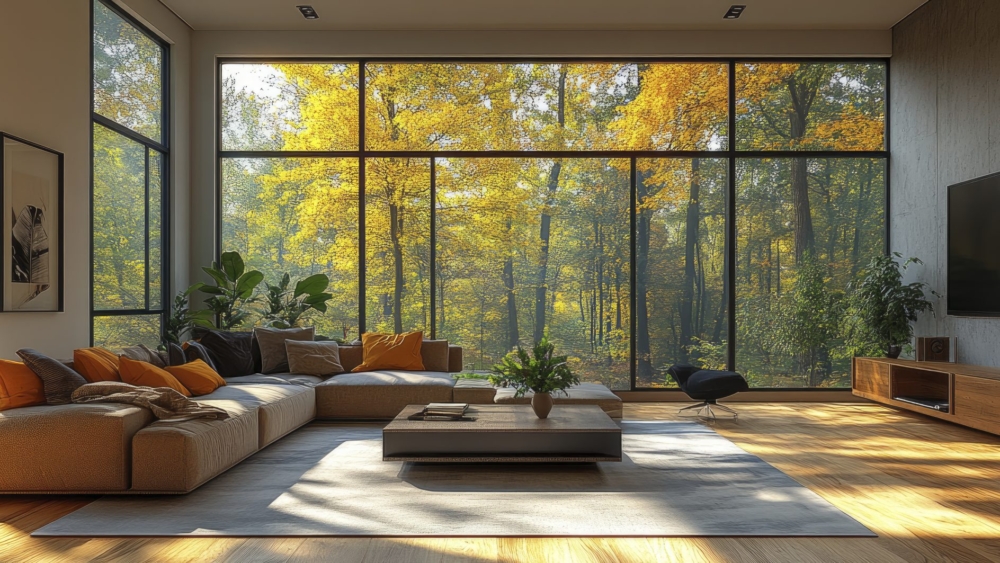
Planning a home remodel is the perfect opportunity to rethink the details that shape your home's character. Windows, in particular, can do much more than frame an outdoor view. They influence natural light, interior atmosphere, architectural style, energy performance, and curb appeal. Whether you prefer a subtle refresh or a bold design statement, the right replacement windows can give your home a fresh perspective without changing its entire structure.
Before choosing a style, consider your home's architecture, the look you want to achieve, your budget, and the practical needs of each room. From sculptural bay windows to elegant arched designs and colorful frames, here are several window replacement ideas to inspire your next project.
1. Add Dimension With Bay and Bow Windows
If a flat exterior feels a little too ordinary, bay and bow windows can introduce depth, character, and a more interesting view. Both styles extend outward from the home's exterior wall, creating an architectural feature that can make an interior feel more spacious and inviting.
Bay windows typically combine three or more window panels arranged at angles, often with a larger central window and narrower windows on either side. Their defined lines create a distinctive projection that works particularly well in living rooms, dining areas, kitchens, and bedrooms.
Bow windows feature several window panels arranged in a gentle curve. Their rounded appearance creates a softer architectural effect and can provide a wider panoramic view of the outdoors.
Depending on the design, either style can incorporate operable side windows to improve ventilation. The area beneath the window may also offer an opportunity to create a cozy reading nook, additional seating, or a decorative display space.
Design tip: Add a cushioned window seat, a few comfortable pillows, and layered lighting to turn the area into a welcoming corner for reading or relaxing. Before installation, confirm that the wall structure and exterior space can accommodate the projection.
2. Make a Statement With Arched and Circular Windows
Straight lines are not the only way to frame a view. Round, half-circle, arched, and radius windows introduce curves that soften the appearance of a room and create a distinctive architectural focal point.
These shapes can be installed above entry doors, paired with conventional rectangular windows, or used independently on a wall that would benefit from additional daylight. Arched windows can complement traditional and transitional homes, while simple circular designs can bring a playful or contemporary touch to modern interiors.
Gable windows are another option worth exploring. Positioned within the triangular section of a roofline, they can highlight the home's architecture while bringing daylight into upper-level rooms or spaces with vaulted ceilings.
The key is to choose a shape that complements the existing structure rather than competing with it. A single curved window can create a memorable feature, while several carefully coordinated windows can establish a consistent design throughout the home.
Design tip: Consider placing an arched or half-circle window above a rectangular window or doorway to create a layered effect that feels both classic and distinctive.
3. Brighten Your Rooms With Transom and Clerestory Windows
When a room feels dark despite having conventional windows, adding glazing higher on the wall may be an effective design solution.
Transom windows are positioned above doors or other windows. They can bring additional daylight into entryways, hallways, home offices, and adjoining rooms without requiring a wider opening at eye level.
Clerestory windows are installed high on a wall, often near the roofline or beneath a vaulted ceiling. They are especially useful in spaces where privacy, furniture placement, or neighboring buildings limit the use of traditional windows.
In kitchens, high windows can bring daylight above cabinets or countertops. In living rooms and dining areas, they can emphasize ceiling height and create a more open atmosphere. Bathrooms may also benefit from high-set glazing when natural light is desired without sacrificing privacy.
For a more dramatic look, consider arranging multiple windows in a continuous row or combining different window sizes to create a carefully balanced composition.
Design tip: Plan the placement around the sun's direction, privacy requirements, and the room's intended use. High windows can brighten an interior while preserving valuable wall space for storage, artwork, or furniture.
4. Transform Your Exterior With Colorful Window Frames
Window frames are often treated as a finishing detail, but their color can significantly influence the appearance of a home's exterior. Choosing a different frame finish is a simple way to introduce contrast, emphasize architectural lines, or create a more coordinated design.
White and neutral frames remain versatile choices, while darker finishes can add definition to contemporary homes. Warm tones may complement natural wood, brick, and stone, while contrasting colors can make windows stand out against lighter siding.
For example, dark frames against a light exterior can create a crisp, modern effect. Frames that closely match the siding can produce a more understated appearance, allowing landscaping and architectural features to take center stage.
Vinyl windows are one option to consider because they generally require relatively little maintenance and are available in a range of styles and finishes. Other materials, including fiberglass, wood, and aluminum, offer different aesthetic and performance characteristics.
Keep in mind that available colors, interior and exterior finish combinations, and maintenance requirements vary by product and manufacturer. Energy performance also depends on the entire window assembly, including the glazing, frame construction, seals, and installation quality.
Design tip: Before committing to a color, compare samples against your siding, roof, exterior trim, and interior finishes in different lighting conditions.
5. Choose Between Replacement Windows and New-Construction Windows
The right window design also depends on the type of remodeling work your home requires. Replacement windows and new-construction windows serve different installation needs, so understanding the distinction can help you plan your project more effectively.
Replacement windows are generally designed to fit into existing window openings, making them a common choice when updating older units without rebuilding the surrounding wall. The exact installation method depends on the condition of the existing frame and the requirements of the selected product.
New-construction windows typically include a frame or nailing flange intended to be integrated with the building's exterior weather barrier. They are often used in new homes or remodeling projects that involve removing existing frames, rebuilding openings, or replacing exterior wall finishes.
Neither option is automatically better for every project. The appropriate choice depends on the condition of the existing structure, moisture management, the scope of the renovation, local building codes, and the manufacturer's installation requirements.
A qualified installer can assess the opening and explain which approach is likely to provide the most suitable result.
6. Balance Design, Comfort, and Energy Efficiency
A beautiful window should also work well in everyday life. As you compare styles, consider how each option affects indoor comfort, maintenance, privacy, and energy use.
Here are several factors to keep in mind:
- Natural light: Larger glass areas and thoughtfully positioned windows can make rooms feel brighter and more connected to the outdoors.
- Ventilation: Operable styles, such as casement, single-hung, and double-hung windows, offer different ways to introduce fresh air.
- Energy performance: Look for appropriate energy ratings, insulated glass, low-emissivity coatings, and effective weather seals.
- Climate suitability: Window requirements vary across the United States, from hot and humid regions to areas with freezing winters, strong winds, or frequent storms.
- Maintenance: Compare frame materials, finishes, cleaning requirements, and expected upkeep.
- Privacy and safety: Consider window placement, glass options, locking mechanisms, and applicable safety requirements.
It's also important to look beyond the product itself. Even high-performance windows may not deliver their intended benefits if they are poorly installed or if the surrounding wall has unresolved air leaks or moisture problems.
Find the Window Style That Fits Your Home
The best window replacement project combines personal style with practical improvements. Bay and bow windows can add depth, arched designs can introduce architectural elegance, and transom or clerestory windows can bring daylight into areas that need it most. Colorful frames offer another way to refresh your exterior without changing the home's overall character.
Start by identifying what you want to improve: a darker room, an outdated exterior, limited ventilation, an obstructed view, or the overall appearance of your living space. Then compare window styles, materials, installation methods, and energy-performance features that align with your home's design and your budget.
With thoughtful planning and professional installation when needed, replacement windows can help create a home that feels brighter, more comfortable, and more visually distinctive.