Top 10 Design Directions Taking Over Interiors in 2026

American interiors are taking a warmer, more expressive turn in 2026. Instead of chasing perfectly coordinated rooms, homeowners are embracing materials they can feel, colors with depth, craftsmanship with character, and details that make a space feel unmistakably personal.

Here are some of the design directions making an impact across U.S. homes.

1. Texture Takes Center Stage

Texture is becoming one of the defining elements of comfortable interiors. Instead of relying solely on color or decoration, designers are creating visual interest through materials that invite you to touch them.

Velvet, suede, corduroy, leather, denim, wool, and patterned fabrics can instantly change the atmosphere of a room. A textured chair, a soft sofa, or a richly upholstered headboard can make a space feel warmer and more inviting.

In 2026, texture isn’t simply an accessory.

It’s part of the atmosphere.

2. Neutrals Are Getting Deeper

Neutral interiors aren’t disappearing — they’re evolving.

Instead of building a room entirely around pale beige or cool gray, American homes are embracing richer combinations of brown, burgundy, cream, and charcoal. These tones create depth while maintaining the timeless quality that makes neutral palettes so appealing.

The result feels sophisticated without feeling overly formal: familiar colors, but with considerably more personality.

3. Walnut Brings Back Timeless Warmth

Dark natural woods are making a strong return, and walnut is particularly compelling. Its deep grain and chocolate-toned finish can add instant richness to cabinetry, furniture, flooring, and architectural details.

Walnut also pairs beautifully with lighter materials. Place a dark walnut surface against a crisp white wall, soft cream upholstery, or pale stone, and the contrast creates a look that feels both classic and contemporary.

It isn’t about recreating the past. It’s about bringing the lasting beauty of natural materials into modern American homes.

4. Architectural Millwork Is Back

Walls are getting more attention.

Paneling, molding, trim, wainscoting, built-ins, and other forms of architectural millwork are returning to residential interiors, bringing dimension and craftsmanship to otherwise ordinary surfaces.

The modern approach isn’t necessarily ornate or traditional. Clean profiles and thoughtfully scaled details can give contemporary spaces a sense of permanence and character.

Sometimes, the most effective decoration is built directly into the architecture.

5. The 1970s Are Inspiring a New Generation

The 1970s are returning — but not as a literal time capsule.

Instead of recreating vintage interiors from floor to ceiling, designers are borrowing the era’s most appealing qualities: earthy colors, relaxed furniture, natural materials, handmade details, playful patterns, and an easygoing sense of fun.

Think olive, mustard, rust, warm brown, woven textures, low-profile furniture, and vintage-inspired accents.

The goal isn’t to make a home look like it belongs in 1975.

It’s to capture the spirit of the era without copying it.

6. Personal Style Is Becoming the Ultimate Trend

Perhaps the most important design movement is a move away from following trends too literally.

A beautiful home doesn’t need to look like a catalog or replicate the latest social-media aesthetic. The strongest interiors often combine contemporary pieces with vintage finds, meaningful artwork, family heirlooms, and objects collected over time.

Trends can provide inspiration, but personal taste should make the final decisions.

Your home should tell your story — not someone else’s.

7. Contrasting Materials Create More Character

Uniform finishes are giving way to thoughtful combinations.

Imagine soft limewashed walls beside polished stone, natural wood next to sleek metal, or matte surfaces paired with subtle gloss. The contrast creates visual tension and keeps rooms from feeling overly predictable.

American interiors are becoming more layered and collected, combining refined materials with handmade elements and polished finishes with imperfect textures.

The result feels intentional without feeling overly arranged.

8. Color Capping Adds a Subtle Surprise

Color drenching — covering walls, trim, and sometimes ceilings in one shade — has been a major design approach. Now, a more restrained variation is emerging.

Color capping introduces a contrasting shade across the upper portion of a wall or onto the ceiling, creating an unexpected visual moment without overwhelming the room.

It can be especially effective in bedrooms, hallways, dining rooms, and smaller spaces where a little architectural drama can make a big impact.

Sometimes, the best color is the one you don’t see immediately.

9. Warmth Is the New Definition of Luxury

Luxury in American homes is becoming less about formality and more about how a space feels.

Warm woods, soft upholstery, layered lighting, dimmable fixtures, natural materials, and inviting textures can create rooms that feel comfortable from the moment you walk through the door.

The goal isn’t simply to make a room impressive.

It’s to make it feel good to live there.

10. Unexpected Details Make a Home Feel Alive

Some of the most memorable design choices are small ones.

A bold wallpaper inside a powder room. A surprising color inside a cabinet. Patterned drawer liners. A colorful ceiling. An unexpected piece of art in an otherwise quiet hallway.

These details don’t have to dominate the room. Their purpose is to create moments of discovery.

In 2026, American interiors are becoming less concerned with perfection and more interested in personality.

The best homes aren’t simply beautiful. They’re warm, expressive, surprising, and unmistakably lived in.

From Fearless to Fright Night: Taylor Swift Halloween Inspiration

Halloween is the perfect time to bring favorite pop-culture moments to life, and few artists offer as much inspiration for creative costumes as Taylor Swift. From unforgettable concert looks and sparkling stage outfits to country-inspired beginnings and dreamy, poetic aesthetics, her musical journey provides endless possibilities for fans ready to celebrate in style.

Across the United States, Taylor Swift-inspired Halloween costumes have become a fun way for fans to express their creativity, celebrate their favorite songs, and connect with fellow Swifties. Each era has its own personality, color palette, and signature details, making it easy to create a look that feels instantly recognizable while still reflecting individual style.

From the Eras Tour to the Halloween Party

One of the most exciting aspects of a Swiftie-themed Halloween is the variety of directions you can take. Some costumes capture the glamour of a stadium performance, with shimmering bodysuits, sparkling boots, sequins, and colorful accessories. Others draw inspiration from album artwork, music videos, or the distinctive moods associated with different chapters of Taylor’s career.

A coordinated group costume can make the celebration even more memorable. Friends can each represent a different album era, creating a colorful collection of looks that celebrates the evolution of Taylor’s music. Couples might choose a playful pop-culture pairing inspired by football and pop music, while solo partygoers can recreate a favorite stage outfit or character from a beloved music video.

The beauty of these costumes is that they don’t need to be exact replicas. A few signature colors, carefully selected accessories, and recognizable styling details can capture the spirit of an era without requiring an elaborate wardrobe.

13 Taylor Swift-Inspired Costume Ideas

1. The Football and Pop-Culture Duo

Combine sporty style with pop-star glamour for a playful couples costume. A football jersey, sneakers, and athletic accessories can be paired with a polished concert-inspired outfit for a look that brings two major American pop-culture interests together.

2. The Showgirl-Inspired Look

For fans drawn to theatrical fashion, a showgirl-inspired costume offers an opportunity to experiment with dramatic silhouettes, sparkling embellishments, statement accessories, and glamorous makeup. The emphasis is on performance-ready style and a confident stage presence.

3. The Football Fan Era

Create a sporty Swiftie look with a red-and-gold color palette, a football jersey, and game-day accessories. This costume combines music fandom with the excitement of American football, making it a fun choice for a group or themed party.

4. The Tortured Poets Aesthetic

For a more understated and literary-inspired costume, embrace a palette of black, white, gray, and muted neutrals. Layer tailored pieces, oversized sweaters, vintage-inspired accessories, and subtle details to create a thoughtful, poetic look.

5. The Midnights Era

Bring nighttime glamour to Halloween with deep blues, lavender tones, shimmering fabrics, and star-inspired accessories. Soft waves, sparkling makeup, and a dreamy color palette help capture the atmospheric feeling of a late-night pop performance.

6. The Evermore-Inspired Look

Earthy shades, cozy layers, plaid, and rustic textures create a look inspired by the reflective, folk-influenced atmosphere of evermore. Think warm browns, forest greens, comfortable coats, and vintage-inspired pieces for an outfit that feels both relaxed and distinctive.

7. The Feline Fan Favorite

Animal lovers can take inspiration from Taylor Swift’s well-known affection for cats. A playful cat-themed costume can include feline ears, a coordinated outfit, whisker-inspired makeup, and a few creative accessories. It’s a lighthearted option for anyone who prefers a costume that is cute rather than glamorous.

8. The Folklore-Inspired Look

Capture the dreamy, nature-inspired mood of folklore with neutral fabrics, soft cardigans, flowing silhouettes, and understated accessories. Cream, gray, beige, and muted green work beautifully for a costume that feels artistic, comfortable, and effortlessly styled.

9. The Lover Era

Pastel pinks, soft blues, iridescent details, and playful accessories bring this colorful era to life. Heart motifs, glitter, and cheerful makeup can help create a romantic, upbeat look that stands out at any Halloween gathering.

10. The 1989 Pop Star

For a polished, city-inspired outfit, look to the sleek silhouettes and confident styling associated with 1989. A coordinated two-piece set, a classic crop top, a tailored jacket, or a statement skirt can provide the foundation for a modern pop-star costume.

11. The Red Era

A bold red lip, classic stripes, black accents, and vintage-inspired styling make this an easy and recognizable costume direction. Whether you choose a casual look inspired by a music video or a more polished outfit inspired by the album’s promotional era, red provides a striking visual theme.

12. The You Belong with Me Look

Recreate the nostalgic feel of a high-school-inspired music video outfit with casual clothing, sneakers, and playful accessories. A simple T-shirt, shorts or jeans, and a handmade sign can evoke the familiar music-video aesthetic without requiring an elaborate costume.

13. Country Taylor

Celebrate Taylor Swift’s early musical beginnings with a country-inspired outfit featuring denim, boots, plaid, and a touch of sparkle. Curly hair, a guitar prop, or a classic country-style dress can complete the look and bring a nostalgic twist to Halloween.

Make Your Swiftie Costume Your Own

The best Taylor Swift-inspired costumes aren’t necessarily the most elaborate or expensive. They’re the ones that capture a favorite musical moment and allow the wearer to have fun with it.

For a group celebration, consider assigning each person a different album era and coordinating colors or accessories. For a solo costume, focus on one recognizable detail, such as a signature color, a memorable silhouette, or an accessory associated with a favorite song. Even a simple outfit can become distinctive with thoughtful styling.

A themed photo backdrop, friendship bracelets, glittering decorations, and a playlist spanning different albums can also turn an ordinary Halloween party into a memorable Swiftie celebration.

Ultimately, a Taylor Swift-inspired Halloween is about more than costumes. It’s an opportunity to celebrate music, creativity, personal style, and the shared excitement of being a fan.

Whether you gravitate toward country classics, dreamy folk-inspired looks, sparkling pop outfits, or dramatic concert fashion, there’s a Taylor Swift era for every kind of Halloween personality.

Happy Halloween to Swifties across America — may your costumes sparkle, your favorite songs make the playlist, and your celebration be one for the eras!

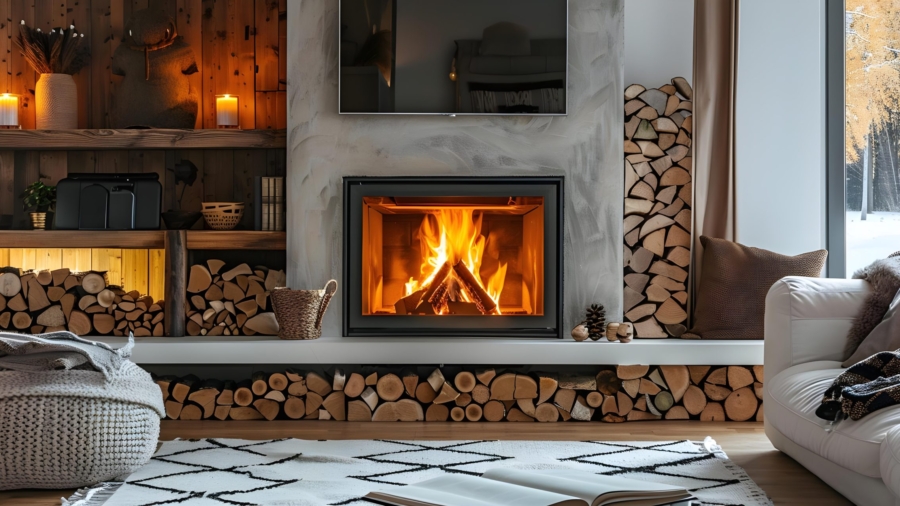
10 Fireplace Designs That Bring Warmth & Style Home

Tile is a timeless choice for fireplace surrounds, offering American homeowners countless ways to bring personality, texture, and visual interest into their living spaces. Whether the goal is a sleek contemporary centerpiece, a cozy traditional hearth, or a bold architectural feature, the right tile can transform an ordinary fireplace into one of the most memorable elements of a room.

One of the greatest advantages of tile is its incredible variety. Glossy finishes reflect light and create a polished appearance, while matte surfaces offer a softer, more understated look. Solid colors can establish a calm, cohesive backdrop, whereas patterned tiles introduce movement and character. Large-format tiles create a clean, expansive effect with fewer visible grout lines, while smaller pieces allow for intricate patterns and decorative details.

Material selection also plays an important role in defining the overall atmosphere. Handcrafted ceramic tiles bring an artisanal quality, with subtle variations in color and texture that make each installation feel distinctive. Natural stone offers organic veining and rich surface variation, creating a sense of depth and timeless elegance. Porcelain provides versatility and a wide range of finishes, making it suitable for everything from minimalist interiors to more decorative designs. For homeowners seeking a more luxurious statement, carefully detailed stonework can give a fireplace a refined, architectural presence.

The arrangement of the tiles is just as important as the material itself. A traditional offset pattern creates a familiar, relaxed appearance, while a straight-stacked layout introduces clean lines and a more contemporary feel. Herringbone adds movement and sophistication, and basketweave patterns bring a decorative touch that works particularly well in classic or transitional interiors. For something more expressive, geometric designs, checkerboard arrangements, mosaics, and contrasting stripes can turn the fireplace surround into a work of art.

Color can further influence how the entire room feels. Warm beige, cream, and earthy brown tones complement natural wood and create an inviting atmosphere. Deep green, navy, charcoal, and other saturated shades can make the fireplace feel dramatic and distinctive. Lighter colors help maintain an airy appearance, while contrasting grout can emphasize the shape and arrangement of individual tiles. The most successful combination is one that complements the room’s existing finishes while giving the fireplace its own identity.

Beyond its decorative appeal, tile can also influence the perceived proportions of a space. Extending the surround horizontally across a wider section of the wall can make the fireplace feel more substantial and visually anchor the room. Carrying the tile vertically toward the ceiling draws the eye upward, emphasizing ceiling height and creating a more dramatic architectural feature. These approaches can be particularly effective in living rooms where the fireplace serves as the primary focal point.

For a cohesive result, consider how the tile will interact with the mantel, flooring, wall color, lighting, and nearby furniture. A heavily patterned surround may benefit from simpler furnishings, while a restrained tile selection can provide the perfect foundation for an expressive mantel or sculptural accessories. Scale matters, too: the pattern should feel proportionate to the fireplace and the room rather than competing with the surrounding architecture.

Before choosing a design, make sure the selected tile, installation materials, and clearances are appropriate for the specific fireplace system. Heat exposure and manufacturer requirements can affect which materials and installation methods are suitable.

Ultimately, a tiled fireplace surround offers far more than a decorative finish. It creates an opportunity to introduce craftsmanship, reinforce your home’s design style, and give an everyday gathering place a stronger sense of character. From understated natural stone to intricate handcrafted patterns, the possibilities are extensive.

The right tile doesn’t simply frame a fireplace — it transforms the entire wall into a defining feature of your home.

Top 10 Interior Design Trends Leaving the Spotlight in 2026

Design is always evolving, and 2026 is bringing a noticeable shift in the way American homes are styled. The ultra-coordinated, overly predictable look is giving way to interiors that feel warmer, more personal, and more connected to the people who live in them.

Here are some of the design habits making their way out — and the ideas taking their place.

1. All-White Interiors Are Losing Their Hold

For years, bright white walls and completely white rooms dominated American interiors. The look felt clean, spacious, and modern, but an entire home wrapped in white can sometimes feel more like a showroom than a place to live.

In 2026, color is coming back with confidence. Warm neutrals, earthy shades, deeper tones, and layered finishes are adding personality to walls and rooms. White still has a place in American homes, but it works best as part of a broader palette rather than the entire design story.

2. Basic Cabinetry Is Making Room for Custom Solutions

Classic shaker-style cabinetry has been a reliable favorite in kitchens across the U.S. Its simplicity made it easy to use almost anywhere, but homeowners are increasingly looking for something more tailored.

The next generation of kitchens is focused on cabinetry that works around real routines. Dedicated storage for coffee stations, spices, appliances, entertaining supplies, and everyday essentials can make a kitchen feel dramatically more functional.

The goal is no longer simply to fill a wall with cabinets. It is to create storage that makes sense for the way a household actually lives.

3. Black Hardware Is No Longer the Automatic Choice

Matte black hardware became one of the defining details of modern interiors. Its strong contrast worked beautifully with white cabinets, light walls, and contemporary spaces.

But design in 2026 is becoming softer. Warm brass, brushed nickel, aged metals, and other timeless finishes are bringing more subtlety and depth to kitchens and bathrooms.

Black hardware isn’t disappearing. It simply doesn’t need to be the default choice anymore.

4. Oversized Great Rooms Are Giving Way to Defined Spaces

Open-concept living transformed American homes, but the pendulum is beginning to swing back.

Instead of combining every function into one enormous room, homeowners are rediscovering the appeal of spaces with a clear purpose. A cozy reading room, dedicated home office, intimate dining area, media room, or quiet den can create a home with more variety and atmosphere.

Separate spaces don’t have to feel closed off. They can create different experiences throughout the home.

5. Ultra-Curved Furniture Is Losing Some Momentum

Curved sofas and sculptural furniture brought an unmistakably contemporary feel to interiors. They photographed beautifully and added visual movement, but they weren’t always the easiest pieces to live with.

In 2026, comfort and flexibility are becoming more important. Homeowners are gravitating toward furniture that accommodates everyday life, offers practical seating, and works naturally within different layouts.

The new goal is simple: beautiful enough to notice, comfortable enough to actually use.

6. Repetitive Reeding and Fluting Are Being Reconsidered

Ribbed walls, fluted cabinetry, and reeded details have been everywhere in recent years. Texture is still important, but repeating the same vertical pattern across every room can make a home feel predictable.

In 2026, texture is becoming more varied and intentional. Wood grain, plaster, stone, woven materials, decorative millwork, and subtle surface changes can create dimension without relying on one signature treatment.

Texture is staying. Repetition is not.

7. Zellige Tile Is Moving From Everywhere to Somewhere

Handcrafted-looking tile brought warmth, variation, and character to American kitchens and bathrooms. But even beautiful materials can become overwhelming when they appear in every possible application.

Rather than covering every backsplash, shower, and wall with the same tile, designers are mixing materials, shapes, finishes, and scales.

The emphasis is shifting from following one popular material to choosing finishes that make sense for each individual space.

8. Reclaimed Wood Is Giving Way to Refined Natural Woods

Reclaimed wood will always have a place in rustic American architecture, barns, cabins, and traditional spaces. But for many contemporary interiors, the heavy, weathered look is being replaced by cleaner expressions of natural wood.

Rift-cut white oak is one example of this shift. Its understated grain, warm appearance, and versatility make it an easy fit for kitchens, built-ins, flooring, and furniture.

The direction is less rustic nostalgia and more timeless natural character.

9. Gray-First Interiors Are Losing Their Dominance

Cool gray became one of the defining neutrals of the past decade. It offered a calm, minimalist backdrop and worked well with contemporary furnishings.

But American interiors are becoming more expressive again. Warm whites, taupes, creams, browns, greens, muted blues, terracotta, and other richer tones are bringing depth back into residential spaces.

Gray isn’t disappearing. It is simply becoming one color among many instead of the starting point for everything.

10. Modern Farmhouse Is Ready for a New Chapter

Modern farmhouse became one of the most recognizable residential styles in the U.S., combining white interiors, dark accents, rustic wood, shiplap, and farmhouse-inspired details.

Its popularity was also its downfall: when the same visual formula appeared in home after home, the style began to lose some of its individuality.

In 2026, homeowners are looking beyond a single decorating formula. Traditional architecture, contemporary elements, vintage pieces, natural materials, and personal collections are being mixed to create homes that feel collected rather than copied.

The Bigger Shift in 2026

The biggest change isn’t simply about which colors, materials, or furniture styles are trending. It is about how American homes are being designed.

The era of matching everything, following one formula, and creating interiors that look perfect in photographs is giving way to spaces with more warmth, character, functionality, and individuality.

In 2026, the most interesting homes won’t necessarily follow one trend.

They’ll reflect the people who live there.

Inside Shorecliffs: A Stunning Main Living Space

Designed and built from the ground up in Southern California, this impressive two-story custom residence was created around one essential idea: bringing people together. With a growing family spanning multiple generations and a love for hosting memorable gatherings, the homeowners wanted a space that felt equally suited to intimate family moments, lively celebrations, and elegant philanthropic events.

The main floor became the heart of the home, with carefully planned gathering areas that encourage conversation, comfort, and connection. Rather than relying on one oversized seating arrangement, the living spaces feature distinct furniture groupings, each with its own character and purpose. Every arrangement makes a visual statement while contributing to the overall harmony of the great room. The result is an inviting environment where guests can mingle naturally, settle into comfortable conversations, or gather together for special occasions.

Throughout the residence, a rich palette of caramel-toned wood, plush upholstery, and thoughtfully selected natural materials creates a welcoming sense of sophistication. Warm wood finishes introduce depth and timeless appeal, while soft fabrics balance the architectural scale with a more relaxed, residential feel. Distinctive tilework and expressive stone surfaces add another layer of personality, bringing subtle variation, organic movement, and unexpected visual interest to the interiors.

One of the most compelling aspects of the design is the balance between traditional elegance and contemporary simplicity. Classic architectural details provide a sense of permanence, while modern forms, clean lines, and carefully chosen finishes keep the home feeling fresh. This combination allows the interiors to feel refined without becoming overly formal, making them just as comfortable for everyday living as they are for hosting larger gatherings.

The home’s generous proportions also create opportunities to introduce dramatic features without sacrificing warmth. Each room contributes to the larger design story, with materials, furnishings, lighting, and architectural elements working together to create a cohesive yet varied experience. Thoughtful contrasts prevent the interiors from feeling too uniform, while carefully coordinated finishes maintain a natural flow from one space to the next.

Ultimately, this style of American home design is about more than impressive rooms or beautiful finishes. It is about creating a setting that reflects the homeowners’ lifestyle, supports meaningful connections, and makes every gathering feel special. From relaxed afternoons with family to thoughtfully hosted evening events, the home offers a versatile backdrop for the moments that matter most.

The result is a timeless yet distinctive residence where comfort meets sophistication, traditional character blends with modern design, and every space is made for living well and entertaining beautifully.

10 Interior Paint Colors That Transform Any Room

Let’s talk color! From bold, statement-making shades to soft, understated hues, color is becoming an increasingly exciting way to bring personality into American homes. Inspired by design movements around the world, evolving interiors, and the endless possibilities of the color wheel, today’s paint palettes offer something for every style and mood.

Whether you’re drawn to vibrant jewel tones, earthy greens, rich burgundy, warm terracotta, powdery pastels, or deep, dramatic blues, the right shade can completely change the way a room looks and feels. Color gives interiors a sense of identity, turning familiar spaces into environments that feel expressive, welcoming, and uniquely personal.

Across the United States, homeowners are exploring more creative ways to use paint. Instead of limiting color to the walls, they’re bringing it into cabinetry, doors, trim, built-in shelving, ceilings, and architectural millwork. A richly painted kitchen island can become a striking focal point, while a colorful front door adds character before guests even step inside. A soft, muted bedroom palette can encourage relaxation, whereas a saturated dining room can create an intimate atmosphere for entertaining.

The beauty of color lies in its versatility. You don’t need to redesign an entire home to make an impact. Sometimes, a single accent wall, a freshly painted vanity, or a contrasting set of interior doors is enough to give a room a completely new perspective. For those ready to make a bigger statement, combining complementary shades or layering different tones throughout an open-concept living area can create a cohesive design with plenty of personality.

Of course, choosing the perfect paint color involves more than finding a shade you love on a color card. Before opening the paint cans, it’s worth considering how color behaves in your particular space.

First, remember that color is personal. The same shade can look different to different people depending on their visual perception, preferences, and surrounding environment. One person may see a warm, inviting beige, while another notices its subtle yellow or pink undertones. When several people share a home, agreeing on the right shade can sometimes be just as challenging as choosing the furniture.

Lighting adds another layer of complexity. Natural daylight changes throughout the day, and a room facing north may reveal cooler undertones than a sun-filled room facing south. Artificial lighting can also influence how paint appears, with warm bulbs bringing out certain colors and cooler bulbs making others feel sharper or more subdued.

Room size, ceiling height, flooring, furniture, and nearby finishes all contribute to the final result. A deep, dramatic color may create a cozy atmosphere in a dining room but feel overwhelming in a small, dimly lit hallway. Meanwhile, a pale neutral that looks beautifully understated in a bright showroom might appear flat or cool in a room with limited natural light.

That’s why testing paint samples directly in your home is one of the most important steps in the process. Apply sample colors to different areas of the room and observe them throughout the day, from morning sunlight to evening illumination. If possible, look at larger sample boards so you can better understand how the shade interacts with your furnishings, flooring, and architectural details. Taking time to test before committing can help prevent costly repainting and disappointing results.

It’s also helpful to consider the atmosphere you want to create. Warm reds, oranges, and earthy browns can make a room feel energetic or intimate. Greens and blues often lend themselves to calmer, nature-inspired palettes. Creams, taupes, and muted pastels provide a softer foundation, while charcoal, plum, and deep navy can add drama and sophistication.

Most importantly, don’t feel obligated to follow every popular color trend. Trends can spark ideas, but the best palette is one that complements your home’s architecture and reflects the way you want to live. You might prefer a bold, colorful kitchen, a serene neutral bedroom, or a playful combination of shades throughout your living spaces. There is no single formula for creating a beautiful interior.

The goal is to use color with confidence, intention, and a little imagination. Explore unexpected combinations, experiment with finishes, and give yourself permission to move beyond familiar neutrals. Whether your style is bright and energetic, moody and dramatic, or soft and understated, the right paint can help your home tell its own story.

So, before you reach for the same shade you’ve used in every room, consider trying something different. A new color might be exactly what your space needs to feel fresh, distinctive, and entirely your own.

photo_2026-10-27_17-01-16

Cloud Dancer Takes the Spotlight as 2026’s Color of the Year

The wait is over: Cloud Dancer has been named Pantone’s 2026 Color of the Year. Soft, airy, and almost weightless, this delicate white captures a growing desire for calmer, more thoughtful interiors.

Rather than feeling stark or clinical, Cloud Dancer brings a sense of quiet to a room. It creates space for light, texture, creativity, and everyday living — making it a natural fit for the way many American homeowners are approaching interior design in 2026.

Why Pantone Matters

For anyone outside the design industry, Pantone may simply be a familiar name associated with color. In reality, its color system has become an important reference point for designers, manufacturers, brands, and creative professionals.

Different materials can interpret the same color very differently. A shade printed on paper may not look identical when applied to fabric, painted onto a wall, or incorporated into a manufactured product. Lighting, texture, and material can all influence how a color is perceived.

Pantone’s standardized color system helps create a common language for identifying and reproducing specific shades. Instead of relying on descriptions such as “soft white” or “warm blue,” designers can work with precise color references.

That consistency is especially valuable across the American design and manufacturing industries, where colors may appear in everything from furniture and textiles to paint, packaging, fashion, and home accessories.

Why Cloud Dancer Feels Right for 2026

Cloud Dancer represents more than another shade of white. Its appeal comes from the atmosphere it creates.

After years of bold colors, dramatic contrasts, and highly styled interiors, homeowners are showing renewed interest in spaces that feel peaceful and uncomplicated. Cloud Dancer fits naturally into that movement.

Its soft appearance can make a room feel brighter without creating the sharp, overly polished effect sometimes associated with pure white. It also provides a flexible foundation for introducing color, pattern, natural materials, and layered textures.

Think of it as a quiet backdrop rather than a statement that demands attention.

Bringing Cloud Dancer Into American Homes

The beauty of a soft white is its versatility. It can work across a wide range of American home styles, from contemporary apartments and suburban kitchens to traditional homes and relaxed coastal interiors.

Try Cloud Dancer on:

  • Walls for a light, open foundation
  • Kitchen cabinetry for a clean but softer look
  • Bedrooms where a peaceful atmosphere matters most
  • Laundry rooms to keep practical spaces feeling bright and inviting
  • Bathrooms paired with natural stone and warm metals
  • Children’s rooms combined with gentle pastels
  • Living spaces layered with wood, linen, wool, and other natural textures
  • Trim and architectural details for a subtle, cohesive finish

Cloud Dancer Doesn’t Have to Mean All White

One of the most exciting ways to use this color is by avoiding a completely white room.

Pair Cloud Dancer with muted greens for an organic feel. Add dusty blues for a relaxed atmosphere, warm terracotta for contrast, or soft pinks and lavender tones for something more playful.

Natural wood can introduce warmth, while brass and brushed metal finishes can add understated sophistication. Textured fabrics, woven accessories, stone, and handmade details can keep the palette from feeling flat.

The result is a layered interior where white becomes part of the story rather than the entire story.

A Softer Direction for 2026

Cloud Dancer arrives at a moment when many American interiors are moving toward greater simplicity, comfort, and individuality. It reflects a desire to create homes that feel less staged and more restorative — spaces where people can slow down, recharge, work, create, and simply be.

Whether used across an entire room or introduced through smaller details, Cloud Dancer offers a fresh starting point for 2026.

Sometimes the most powerful new beginning is a quiet one.

Inside Shorecliffs: Beautiful Bedrooms & Bath Spaces

This sophisticated bathroom brings together natural stone, warm metals, elegant lighting, and carefully balanced architectural details to create a space that feels both luxurious and inviting. Rather than relying on excessive decoration, the design lets the materials themselves become the focal point.

Large stone slabs extend across the vanity backsplash, countertops, and shower walls, creating a continuous display of dramatic natural veining. Matching the slabs across multiple surfaces gives the room a seamless, almost sculptural quality, while a streamlined vanity shelf allows the stone pattern to continue uninterrupted.

The vanity wall is designed around symmetry, with textured mirrors positioned on either side of a warm brass light fixture. The metallic finish adds a subtle glow against the cooler stone while bringing a refined, timeless quality to the space. Every element feels intentionally placed, creating a composition that is polished without becoming overly formal.

A freestanding soaking tub anchors the opposite side of the room. Set against a decorative marble backdrop, the tub becomes a natural focal point and introduces a subtle Art Deco influence. The patterned stone adds visual interest while complementing the larger-scale veining used throughout the space.

Above, a statement chandelier brings another layer of elegance. Cascading crystal details catch and reflect the light, creating a softer atmosphere and adding just the right amount of glamour. The effect is especially striking against the rich stone surfaces and warm metallic accents.

Underfoot, natural-toned flooring helps ground the room and balance the more decorative elements. Frosted glass doors provide privacy for adjoining areas while allowing light to move through the space, preserving the bathroom’s open and symmetrical feel.

The overall design demonstrates how a bathroom can feel elevated without becoming cold or overly elaborate. Natural materials provide depth, symmetry creates order, lighting adds warmth, and carefully selected decorative details bring personality. The result is a calm, luxurious retreat that feels thoughtfully designed for everyday life in an American home.

Happy Halloween in Barbie Style: A Dreamhouse of Delight

Pink walls, playful outfits, big personalities, and a whole lot of imagination — Halloween is the perfect excuse to turn an ordinary workday into something extraordinary! Across the United States, offices, schools, neighborhoods, and homes embrace the season with creative costumes, festive decorations, and celebrations that bring people together. And when a little pop-culture inspiration enters the mix, the possibilities become even more exciting.

One particularly playful Halloween theme is inspired by the unmistakable world of Barbie. With its signature pink palette, glamorous accessories, nostalgic charm, and endless opportunities for self-expression, this theme offers plenty of room for creativity. From classic doll-inspired outfits to modern fashion looks, there are countless ways to bring the spirit of Barbie and Ken to life.

Imagine a workspace transformed with bright pink decorations, colorful balloons, playful props, and cheerful details that feel straight out of a dreamhouse. Guests arrive dressed in everything from sparkling party outfits and retro-inspired ensembles to recognizable pink-and-denim combinations. A few Kens complete the picture, proving that a great Halloween costume is all about confidence, imagination, and having fun.

The best part of a themed celebration is how it encourages everyone to step outside their everyday routines. Colleagues become characters, familiar spaces take on a completely different personality, and even the simplest decorations can inspire memorable moments. A coordinated color scheme, a creative photo backdrop, and a few carefully chosen accessories can turn an ordinary office party into an experience worth remembering.

Of course, Halloween isn’t just about dressing up. It’s also an opportunity to celebrate creativity, enjoy a little nostalgia, and share a laugh with friends, family, and coworkers. Whether you’re hosting a costume party, decorating your workspace, organizing a neighborhood gathering, or planning a night of trick-or-treating, the most memorable celebrations are often the ones where people feel free to express themselves.

The Barbie-inspired aesthetic is especially fun because it can be interpreted in so many ways. Some may embrace the classic pink-and-glam look, while others experiment with vintage fashion, beach-inspired outfits, bold accessories, or imaginative variations on familiar characters. There is no need to follow one exact formula — the more personal the interpretation, the more interesting the result.

As Halloween arrives across America, it’s worth remembering that the season’s real magic comes from the shared experience: the laughter, the creativity, the unexpected costumes, and the memories that last long after the decorations come down.

So bring out the pink, turn up the music, gather your favorite people, and let your imagination take center stage. Whether you’re celebrating in Barbieland or the real world, Halloween is your invitation to play a different role for a day.

Happy Halloween! May your costumes be bold, your decorations be unforgettable, and your celebration be filled with creativity, laughter, and a little extra sparkle.

“Humans only have one ending. Ideas live forever.” — Ruth Handler, creator of Barbie

More Halloween Inspiration

Looking for more ways to celebrate the season? Explore creative costume themes, colorful decorating ideas, and festive inspiration for your next Halloween gathering. From nostalgic favorites to imaginative new concepts, there’s always another way to make the holiday your own.