
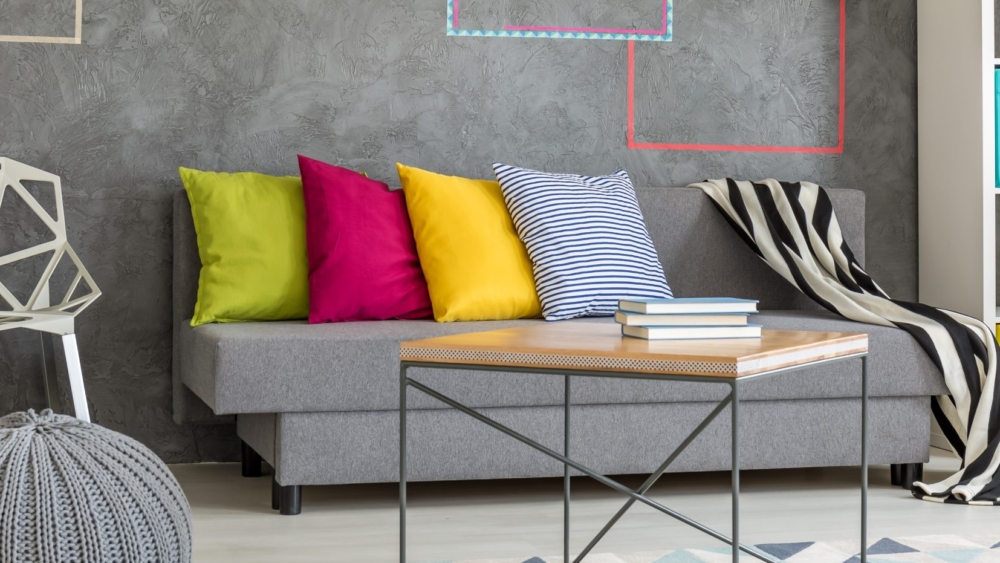
Let's talk color! From bold, statement-making shades to soft, understated hues, color is becoming an increasingly exciting way to bring personality into American homes. Inspired by design movements around the world, evolving interiors, and the endless possibilities of the color wheel, today's paint palettes offer something for every style and mood.
Whether you're drawn to vibrant jewel tones, earthy greens, rich burgundy, warm terracotta, powdery pastels, or deep, dramatic blues, the right shade can completely change the way a room looks and feels. Color gives interiors a sense of identity, turning familiar spaces into environments that feel expressive, welcoming, and uniquely personal.
Across the United States, homeowners are exploring more creative ways to use paint. Instead of limiting color to the walls, they're bringing it into cabinetry, doors, trim, built-in shelving, ceilings, and architectural millwork. A richly painted kitchen island can become a striking focal point, while a colorful front door adds character before guests even step inside. A soft, muted bedroom palette can encourage relaxation, whereas a saturated dining room can create an intimate atmosphere for entertaining.
The beauty of color lies in its versatility. You don't need to redesign an entire home to make an impact. Sometimes, a single accent wall, a freshly painted vanity, or a contrasting set of interior doors is enough to give a room a completely new perspective. For those ready to make a bigger statement, combining complementary shades or layering different tones throughout an open-concept living area can create a cohesive design with plenty of personality.
Of course, choosing the perfect paint color involves more than finding a shade you love on a color card. Before opening the paint cans, it's worth considering how color behaves in your particular space.
First, remember that color is personal. The same shade can look different to different people depending on their visual perception, preferences, and surrounding environment. One person may see a warm, inviting beige, while another notices its subtle yellow or pink undertones. When several people share a home, agreeing on the right shade can sometimes be just as challenging as choosing the furniture.
Lighting adds another layer of complexity. Natural daylight changes throughout the day, and a room facing north may reveal cooler undertones than a sun-filled room facing south. Artificial lighting can also influence how paint appears, with warm bulbs bringing out certain colors and cooler bulbs making others feel sharper or more subdued.
Room size, ceiling height, flooring, furniture, and nearby finishes all contribute to the final result. A deep, dramatic color may create a cozy atmosphere in a dining room but feel overwhelming in a small, dimly lit hallway. Meanwhile, a pale neutral that looks beautifully understated in a bright showroom might appear flat or cool in a room with limited natural light.
That's why testing paint samples directly in your home is one of the most important steps in the process. Apply sample colors to different areas of the room and observe them throughout the day, from morning sunlight to evening illumination. If possible, look at larger sample boards so you can better understand how the shade interacts with your furnishings, flooring, and architectural details. Taking time to test before committing can help prevent costly repainting and disappointing results.
It's also helpful to consider the atmosphere you want to create. Warm reds, oranges, and earthy browns can make a room feel energetic or intimate. Greens and blues often lend themselves to calmer, nature-inspired palettes. Creams, taupes, and muted pastels provide a softer foundation, while charcoal, plum, and deep navy can add drama and sophistication.
Most importantly, don't feel obligated to follow every popular color trend. Trends can spark ideas, but the best palette is one that complements your home's architecture and reflects the way you want to live. You might prefer a bold, colorful kitchen, a serene neutral bedroom, or a playful combination of shades throughout your living spaces. There is no single formula for creating a beautiful interior.
The goal is to use color with confidence, intention, and a little imagination. Explore unexpected combinations, experiment with finishes, and give yourself permission to move beyond familiar neutrals. Whether your style is bright and energetic, moody and dramatic, or soft and understated, the right paint can help your home tell its own story.
So, before you reach for the same shade you've used in every room, consider trying something different. A new color might be exactly what your space needs to feel fresh, distinctive, and entirely your own.