
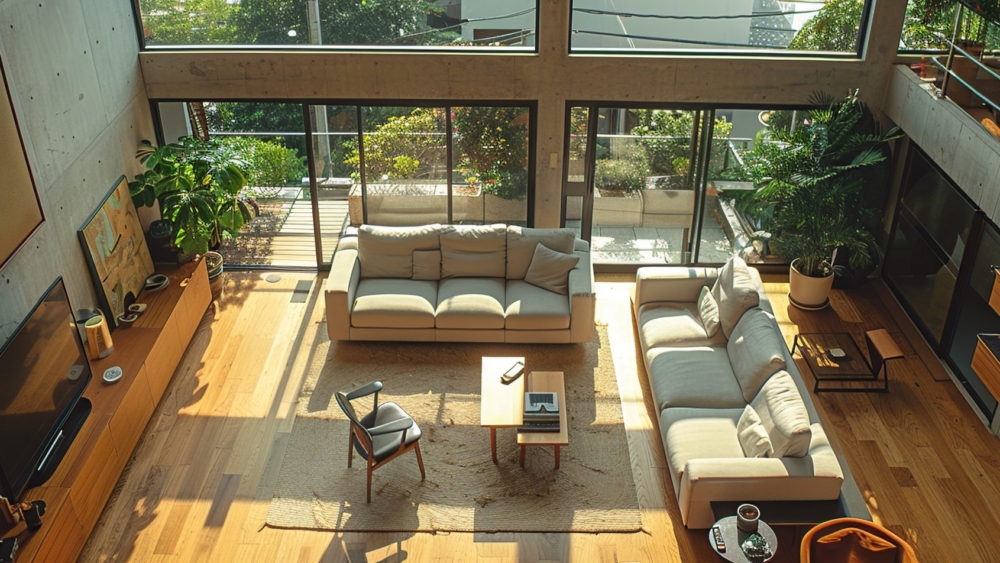
American interiors are taking a warmer, more expressive turn in 2026. Instead of chasing perfectly coordinated rooms, homeowners are embracing materials they can feel, colors with depth, craftsmanship with character, and details that make a space feel unmistakably personal.
Here are some of the design directions making an impact across U.S. homes.
1. Texture Takes Center Stage
Texture is becoming one of the defining elements of comfortable interiors. Instead of relying solely on color or decoration, designers are creating visual interest through materials that invite you to touch them.
Velvet, suede, corduroy, leather, denim, wool, and patterned fabrics can instantly change the atmosphere of a room. A textured chair, a soft sofa, or a richly upholstered headboard can make a space feel warmer and more inviting.
In 2026, texture isn't simply an accessory.
It's part of the atmosphere.
2. Neutrals Are Getting Deeper
Neutral interiors aren't disappearing — they're evolving.
Instead of building a room entirely around pale beige or cool gray, American homes are embracing richer combinations of brown, burgundy, cream, and charcoal. These tones create depth while maintaining the timeless quality that makes neutral palettes so appealing.
The result feels sophisticated without feeling overly formal: familiar colors, but with considerably more personality.
3. Walnut Brings Back Timeless Warmth
Dark natural woods are making a strong return, and walnut is particularly compelling. Its deep grain and chocolate-toned finish can add instant richness to cabinetry, furniture, flooring, and architectural details.
Walnut also pairs beautifully with lighter materials. Place a dark walnut surface against a crisp white wall, soft cream upholstery, or pale stone, and the contrast creates a look that feels both classic and contemporary.
It isn't about recreating the past. It's about bringing the lasting beauty of natural materials into modern American homes.
4. Architectural Millwork Is Back
Walls are getting more attention.
Paneling, molding, trim, wainscoting, built-ins, and other forms of architectural millwork are returning to residential interiors, bringing dimension and craftsmanship to otherwise ordinary surfaces.
The modern approach isn't necessarily ornate or traditional. Clean profiles and thoughtfully scaled details can give contemporary spaces a sense of permanence and character.
Sometimes, the most effective decoration is built directly into the architecture.
5. The 1970s Are Inspiring a New Generation
The 1970s are returning — but not as a literal time capsule.
Instead of recreating vintage interiors from floor to ceiling, designers are borrowing the era's most appealing qualities: earthy colors, relaxed furniture, natural materials, handmade details, playful patterns, and an easygoing sense of fun.
Think olive, mustard, rust, warm brown, woven textures, low-profile furniture, and vintage-inspired accents.
The goal isn't to make a home look like it belongs in 1975.
It's to capture the spirit of the era without copying it.
6. Personal Style Is Becoming the Ultimate Trend
Perhaps the most important design movement is a move away from following trends too literally.
A beautiful home doesn't need to look like a catalog or replicate the latest social-media aesthetic. The strongest interiors often combine contemporary pieces with vintage finds, meaningful artwork, family heirlooms, and objects collected over time.
Trends can provide inspiration, but personal taste should make the final decisions.
Your home should tell your story — not someone else's.
7. Contrasting Materials Create More Character
Uniform finishes are giving way to thoughtful combinations.
Imagine soft limewashed walls beside polished stone, natural wood next to sleek metal, or matte surfaces paired with subtle gloss. The contrast creates visual tension and keeps rooms from feeling overly predictable.
American interiors are becoming more layered and collected, combining refined materials with handmade elements and polished finishes with imperfect textures.
The result feels intentional without feeling overly arranged.
8. Color Capping Adds a Subtle Surprise
Color drenching — covering walls, trim, and sometimes ceilings in one shade — has been a major design approach. Now, a more restrained variation is emerging.
Color capping introduces a contrasting shade across the upper portion of a wall or onto the ceiling, creating an unexpected visual moment without overwhelming the room.
It can be especially effective in bedrooms, hallways, dining rooms, and smaller spaces where a little architectural drama can make a big impact.
Sometimes, the best color is the one you don't see immediately.
9. Warmth Is the New Definition of Luxury
Luxury in American homes is becoming less about formality and more about how a space feels.
Warm woods, soft upholstery, layered lighting, dimmable fixtures, natural materials, and inviting textures can create rooms that feel comfortable from the moment you walk through the door.
The goal isn't simply to make a room impressive.
It's to make it feel good to live there.
10. Unexpected Details Make a Home Feel Alive
Some of the most memorable design choices are small ones.
A bold wallpaper inside a powder room. A surprising color inside a cabinet. Patterned drawer liners. A colorful ceiling. An unexpected piece of art in an otherwise quiet hallway.
These details don't have to dominate the room. Their purpose is to create moments of discovery.
In 2026, American interiors are becoming less concerned with perfection and more interested in personality.
The best homes aren't simply beautiful. They're warm, expressive, surprising, and unmistakably lived in.