
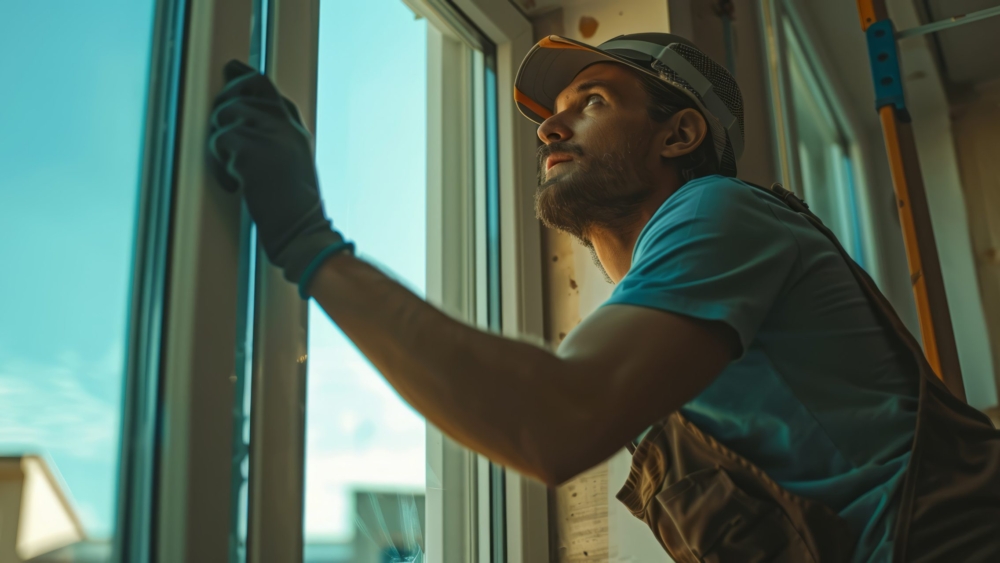
Replacing your home's windows and doors can be an exciting step toward improving its appearance, comfort, and functionality. Whether you're updating an aging entryway, replacing drafty windows, or planning a complete exterior renovation, choosing the right products and installation professionals can make a significant difference in the final result.
Across the United States, homeowners have access to a wide range of replacement options, from traditional wood frames and classic entry doors to modern energy-efficient windows and contemporary sliding patio doors. With so many choices available, knowing where to begin can feel overwhelming.
The good news is that a little preparation can help you compare providers, understand your options, and avoid unnecessary expenses. Before committing to a project, consider these practical tips for finding a window and door replacement service that matches your needs, expectations, and budget.
1. Start With Research, Not Estimates
Before contacting contractors, take some time to understand what your home needs and which improvements matter most.
Are your windows difficult to open? Is your front door showing signs of wear? Do you want to improve energy performance, update your home's architectural style, or replace damaged components?
Identifying your priorities will make it easier to narrow down suitable products and installation services.
Research different frame materials, window configurations, door styles, and available performance features. Consider your local climate, maintenance preferences, and the architectural character of your property.
When researching potential providers, look for established businesses with relevant experience, appropriate licensing where required, insurance, and verifiable credentials. Manufacturer certifications may also indicate specialized product knowledge, although their meaning and requirements vary.
A little preparation helps you ask more informed questions and makes comparing proposals much easier.
2. Ask for Recommendations and Read Customer Reviews
Personal recommendations can be a useful starting point when searching for a dependable contractor. Ask friends, relatives, or neighbors about their experiences with recent window or door replacement projects.
If possible, look at the completed work and ask how the installation process went. Were the workers professional? Was the schedule followed? Were unexpected costs explained clearly? Did the company address concerns after the project was completed?
Online reviews can provide additional insight. Explore several independent review platforms rather than relying exclusively on testimonials published on a company's own website.
When evaluating feedback, look for recurring patterns. Consistent comments about communication, workmanship, punctuality, and problem resolution can be more informative than a single exceptionally positive or negative review.
Remember that every project is different. Consider how contractors respond to criticism, whether customers describe specific experiences, and whether the feedback reflects the type of work you need.
Combining personal recommendations with independent research gives you a more balanced picture of a provider's reputation.
3. Compare Quotes Beyond the Bottom Line
Price is an important consideration, but the lowest estimate isn't necessarily the best value.
Window and door replacement costs can vary according to product materials, dimensions, glass specifications, hardware, installation methods, labor, and the condition of the existing openings.
Request written estimates from multiple qualified providers and make sure each proposal covers a comparable scope of work.
Look for details such as:
- Product specifications: Materials, styles, dimensions, finishes, and performance features.
- Installation scope: Removal of existing units, preparation, fitting, sealing, and finishing.
- Additional expenses: Disposal, repairs, permits where required, and other potential charges.
- Project timeline: Expected start date, estimated duration, and scheduling arrangements.
- Payment terms: Deposits, payment milestones, and the conditions for final payment.
Ask contractors to explain anything that is unclear. A detailed proposal makes it easier to understand what you're paying for and reduces the likelihood of unexpected expenses.
The goal is to find a solution that balances cost, quality, and the long-term needs of your home.
4. Evaluate Product Quality and Available Options
Not all windows and doors are designed for the same conditions or priorities. Choosing products that suit your home is just as important as selecting the right installation team.
Consider Window Materials
Vinyl windows are often valued for their affordability and relatively low maintenance. Fiberglass and composite options may offer different combinations of durability, appearance, and thermal performance, while wood frames can provide a traditional aesthetic.
Each material has its own advantages and limitations. Compare maintenance requirements, warranties, performance ratings, and suitability for your local weather conditions.
Explore Door Styles
Your front door contributes significantly to your home's exterior appearance, while patio and side doors must meet practical requirements for access, security, and weather resistance.
Consider the home's architectural style, available space, hardware, glazing, and the way each door will be used.
Look Beyond Appearance
Energy performance, weather sealing, ease of operation, and locking systems all deserve attention. In the United States, recognized product ratings and energy-efficiency certifications can help you compare options, although requirements vary by location and application.
A knowledgeable professional should be able to explain the differences between products and help you evaluate which features are relevant to your project.
5. Check Experience, Credentials, and Insurance
Window and door installation involves more than fitting a new product into an opening. Accurate measurements, appropriate fastening, proper flashing, and effective sealing all influence how well the finished installation performs.
When evaluating a contractor, ask about their experience with projects similar to yours. Installing replacement windows in a single-family home may involve different considerations from working on a condominium, townhouse, or multifamily building.
Verify applicable state and local licensing requirements, ask for proof of insurance, and check whether the contractor holds relevant manufacturer certifications.
You can also request references from previous customers with comparable projects.
These checks help you assess whether a provider has the qualifications and experience needed for your particular home improvement work.
6. Understand the Installation Process
Even high-quality products may perform poorly if they are installed incorrectly. Before hiring a contractor, ask how the work will be completed and what you should expect throughout the process.
A typical project may include an initial assessment, measurements, product selection, scheduling, removal of existing units, installation, finishing, and a final inspection.
One important question is whether the existing frames can remain in place or whether full-frame replacement is necessary. The answer depends on the condition of the openings, the chosen products, and the building's construction.
Discuss how the contractor will address unexpected damage, moisture concerns, or other issues discovered during removal.
It's also worth asking how the team will protect floors and furnishings, manage debris, maintain site safety, and minimize disruption to your household.
Clear communication before work begins can make the entire experience more predictable and comfortable.
7. Review Warranties and After-Installation Support
A replacement project shouldn't end the moment the installation team leaves. Before signing a contract, understand what support is available if a problem develops later.
Window and door products may have manufacturer warranties covering specified components or defects, while installation workmanship may be covered separately by the contractor.
Ask for written documentation explaining what is covered, how long coverage lasts, and what exclusions or maintenance conditions apply.
Find out whom to contact if a window becomes difficult to operate, a door doesn't close properly, or an installation concern arises.
It's also useful to understand how service requests are handled and whether any follow-up inspection is included.
Clear warranty terms and accessible after-installation support can provide greater confidence in your investment.
8. Look for Communication and Professionalism
The way a contractor communicates during the estimate process can tell you a great deal about what to expect during the project.
Do they answer questions clearly? Explain the differences between products? Provide written documentation? Arrive when scheduled? Discuss potential challenges honestly?
A reliable provider should help you understand your choices without pressuring you into unnecessary upgrades or rushing you toward a decision.
Pay attention to how carefully measurements are taken and whether the proposed solution reflects your home's actual needs.
Professionalism isn't limited to the installation itself. It also includes setting realistic expectations, explaining changes to the project scope, and keeping you informed when schedules or circumstances change.
Choose a provider with whom you feel comfortable discussing questions and concerns.
9. Watch for Warning Signs Before Signing
Taking a few extra precautions can help you avoid frustrating experiences and costly disputes.
Be cautious if a contractor:
- Provides an unclear estimate with little information about the products or labor.
- Pressures you to sign immediately without allowing time for review.
- Cannot provide appropriate licensing or insurance documentation when required.
- Makes vague promises about performance or warranties.
- Requests unusual payment arrangements without clear contractual terms.
- Refuses to explain how unexpected repairs or additional costs will be handled.
Before signing, read the contract carefully and confirm the project scope, materials, payment schedule, estimated timeline, and procedures for changes or disputes.
Depending on the state and the nature of the work, specific consumer protection and contract requirements may apply. Review the rules relevant to your location before proceeding.
10. Think About Long-Term Value
Windows and doors are long-term components of your home, so the decision should extend beyond the initial purchase price.
Consider how the products may affect maintenance needs, everyday comfort, exterior appearance, and energy use. Actual savings and performance depend on the existing condition of your home, the selected products, local climate, and installation quality.
A slightly higher initial investment may be worthwhile if a product better meets your needs, offers suitable warranty protection, or reduces ongoing maintenance. However, more expensive options aren't automatically superior for every property.
Ask contractors to explain the practical benefits of recommended upgrades and distinguish measurable performance improvements from purely aesthetic features.
A thoughtful comparison helps you choose products that make sense for both your immediate budget and your long-term plans.
Finding the Right Fit for Your Home
Choosing a window and door replacement service doesn't have to be complicated. Start by identifying your priorities, researching qualified providers, comparing detailed estimates, and evaluating products according to your home's requirements.
Take time to verify credentials, understand installation methods, review warranty terms, and ask questions before signing a contract. These steps can help you avoid common pitfalls and feel more confident about your renovation.
Whether you're replacing a single entry door or upgrading every window in your home, the best choice combines suitable products, careful workmanship, transparent communication, and dependable support.