
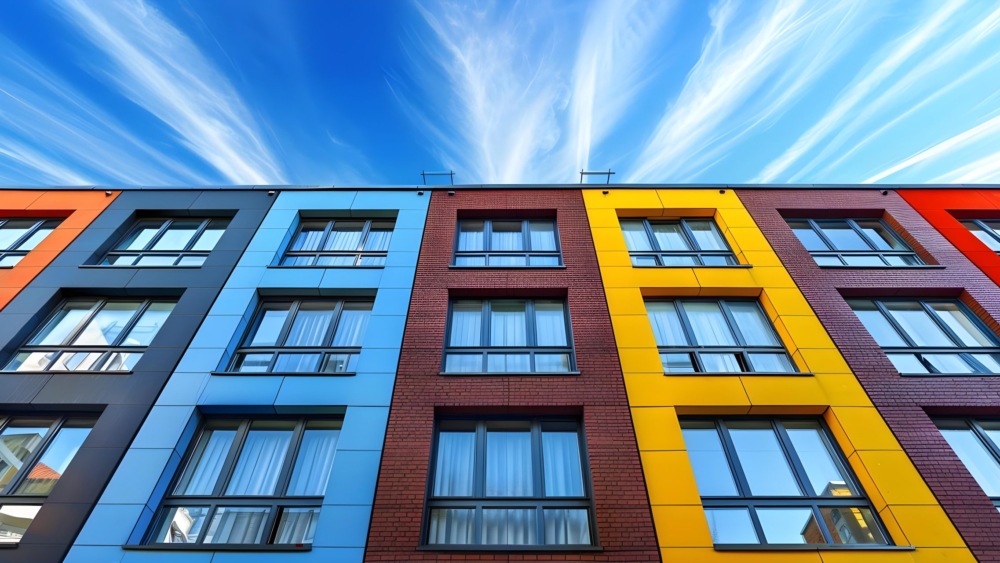
Upgrading windows and doors across an apartment complex is a significant investment that requires careful planning, the right materials, and an installation method suited to the building. For property owners, developers, and managers throughout the United States, the goal is to improve performance, refresh the property's appearance, and address potential issues before they become costly problems.
While some replacement projects can be completed using existing window frames, others require a more comprehensive approach. Full-frame installation, commonly associated with new-construction-style window installation, can be a suitable solution when existing frames need to be removed or when the surrounding structure requires attention.
From multifamily communities and townhouses to condominiums and low-rise residential buildings, understanding the available installation methods can help property professionals make informed decisions and plan successful renovation projects.
A Closer Look at Multifamily Window Replacement
Replacing windows and patio doors across multiple residential units involves more than selecting attractive products. Each project may require detailed measurements, material comparisons, budget planning, scheduling, and coordination between property managers, contractors, and residents.
A well-organized process typically begins with an assessment of the existing building. Professionals examine window conditions, surrounding materials, exposure to weather, and the performance requirements of the property. This information helps determine which products and installation methods are most appropriate.
For larger projects, consistent specifications are particularly important. Choosing compatible window styles, frame colors, and hardware across multiple units can create a cohesive exterior while simplifying future maintenance.
The result is a renovation plan that balances practical requirements, architectural appearance, and long-term property needs.
Full-Frame Installation vs. Retrofit Replacement
One of the most important decisions in a window replacement project is determining how the new units will be installed. Retrofit and full-frame installation methods serve different purposes, and neither is automatically the best choice for every building.
What Is Full-Frame Installation?
Full-frame installation involves removing the existing window unit and, when required, its frame and associated components to expose the surrounding opening. The replacement window is then installed and integrated with the building's weather-resistant barrier, flashing, and exterior finishes according to the selected system.
Depending on the construction, this process may involve removing portions of stucco, siding, trim, or other exterior materials and restoring them after installation.
This approach can be especially useful when existing frames are deteriorated, water intrusion is suspected, or the condition of the underlying opening needs to be evaluated.
When Is Retrofit Installation Appropriate?
Retrofit installation generally uses some portion of the existing window frame to accommodate the replacement unit. Because it may require less removal of surrounding materials, it can reduce disruption and finishing work when existing frames are sound and suitable for the new system.
However, retaining an existing frame may not be advisable when there is significant deterioration, moisture damage, or a history of leakage that has not been resolved.
How Do You Choose the Right Method?
The decision should be based on the building's condition, exposure to weather, existing construction details, product requirements, and project budget.
In areas exposed to heavy rain, strong winds, or other demanding weather conditions, proper flashing, sealing, and integration with the exterior wall assembly are especially important. Full-frame installation can provide better access to these details when the existing opening needs repair, but it does not guarantee better performance by itself. Quality materials and correct installation remain essential.
A qualified window professional can assess the property and explain which approach best addresses its specific needs.
Choosing Windows and Patio Doors for Apartment Buildings
Multifamily properties require products that combine dependable operation, suitable performance, and a consistent appearance. The best choice depends on the building's architecture, local climate, ventilation needs, and maintenance expectations.
Window Styles for Different Needs
Several common window configurations are worth considering:
- Casement windows: Hinged at the side and operated outward, they can provide ventilation and a wide opening when appropriately positioned.
- Awning windows: Hinged at the top, these open outward and may offer ventilation while helping shield the opening from light rain, depending on conditions.
- Fixed windows: Designed not to open, they provide natural light and unobstructed views where ventilation is not required.
- Horizontal sliding windows: Move along a track and can be practical in spaces where outward-opening windows are unsuitable.
- Single-hung windows: Feature a movable lower sash and a stationary upper sash in many common designs.
The appropriate configuration may vary from room to room and should comply with applicable requirements for ventilation, emergency escape, fall protection, and other safety considerations.
Patio Doors That Connect Indoor and Outdoor Spaces
Sliding patio doors are frequently used in apartments and townhouses with balconies, patios, or outdoor living areas. Their sliding operation can save space compared with hinged doors, while expansive glass panels can bring natural light into the interior.
When selecting patio doors, consider smooth operation, locking hardware, weather sealing, glass performance, and accessibility. The door system must also be appropriate for the building's exposure and installation details.
Frame Materials and Finishes
Replacement windows and doors are available in vinyl, fiberglass, composite materials, aluminum, wood, and other configurations. Each option has its own advantages, limitations, maintenance needs, and price range.
Frame colors can also influence the property's overall appearance. For example, a darker exterior frame paired with a lighter interior finish may create a contemporary look, while neutral tones can complement a wide range of architectural styles.
Rather than choosing products based on appearance or price alone, compare performance ratings, warranty coverage, maintenance requirements, and compatibility with the existing building.
Why Material Selection Matters
Window and door materials influence durability, appearance, maintenance, and overall performance.
Composite products, for example, may combine different material properties to create frames designed for residential use. Vinyl is often considered for its affordability and relatively low maintenance, while fiberglass and other materials may appeal to projects with specific durability or design requirements.
No single material is ideal for every apartment complex. Property owners should compare complete product specifications, including structural performance, thermal properties, weather resistance, and compatibility with local conditions.
In the United States, products may also need to meet regional building codes, wind-load requirements, energy standards, and other applicable regulations. Projects in areas with demanding weather conditions may require additional attention to product approvals and installation details.
Planning a Large-Scale Replacement Project
Successful multifamily renovations depend on coordination at every stage. A clear project plan helps control costs, reduce disruption, and establish expectations for everyone involved.
1. Inspect and Measure
Document the size, configuration, and condition of existing windows and doors. Identify damaged frames, signs of water intrusion, unusual openings, and differences between individual units.
Accurate measurements are essential because replacement products are often manufactured to specific dimensions.
2. Define the Scope and Budget
Determine how many units require replacement, which installation method is appropriate, and whether exterior repairs or interior finishing will be necessary.
The budget should account for products, labor, delivery, access equipment, demolition, disposal, permits where required, and restoration of surrounding materials.
3. Coordinate Scheduling and Access
For occupied apartment buildings, establish a realistic installation schedule and communicate with residents in advance. Plan for access, privacy, safety, and temporary disruption to individual units.
Larger projects may benefit from phased installation so work can proceed in manageable stages.
4. Monitor Installation Quality
Check that the new windows and doors operate properly and that flashing, sealing, fastening, and finishing work follow the manufacturer's instructions and applicable requirements.
Water management deserves particular attention. Proper drainage paths and integration with the exterior wall system help reduce the risk of moisture entering the building.
5. Complete a Final Review
Before considering the project finished, inspect the installed units, confirm that hardware functions correctly, and address any outstanding issues. Keep product information, warranty documents, and maintenance instructions for future reference.
A systematic approach supports consistency across the property and helps property managers plan for long-term upkeep.
Who Benefits From Professional Window and Door Replacement?
Window and door upgrades can support a variety of property types throughout the United States, including:
- Apartment complexes and rental communities.
- Townhouses and condominium developments.
- Multifamily residential buildings.
- Low-rise commercial properties.
- Schools, municipal facilities, and other institutional buildings.
Each property type may have distinct requirements for safety, accessibility, energy performance, and construction methods. Projects involving institutional or commercial buildings should be evaluated according to their specific use and applicable regulations.
For property owners and managers, professional assessment can help clarify the scope of work, identify potential complications, and establish realistic expectations before installation begins.
Common Mistakes to Avoid
Even a well-funded renovation can encounter problems if essential details are overlooked. Before moving forward, consider these common pitfalls:
Choosing the lowest quote without comparing scope. Estimates may differ in product quality, installation methods, finishing work, warranties, and included services.
Selecting an installation method before inspecting the building. The condition of the existing frames and surrounding wall assembly should guide the decision.
Ignoring weather exposure. Wind, rain, temperature changes, and direct sunlight can influence product selection and installation requirements.
Overlooking resident communication. Unclear scheduling and access arrangements can create unnecessary disruption in occupied buildings.
Focusing only on the upfront cost. Maintenance, product durability, energy performance, and potential future repairs also contribute to the overall value of a project.
Addressing these considerations early can help make the renovation process more predictable and effective.
A Stronger Foundation for Your Next Renovation
Apartment building window and door replacement is an opportunity to address aging components, improve exterior appearance, and support more comfortable living spaces. Whether a property needs a straightforward retrofit or a more extensive full-frame installation, the best results begin with a careful assessment of the existing structure.
By comparing products, evaluating installation methods, planning around residents, and prioritizing correct weatherproofing, property owners can make decisions that reflect both immediate needs and long-term goals.